Convention & Exhibition Centre
1 Harbour Road
Wan Chai
Hong Kong
PERROTIN BOOTH: 1D24
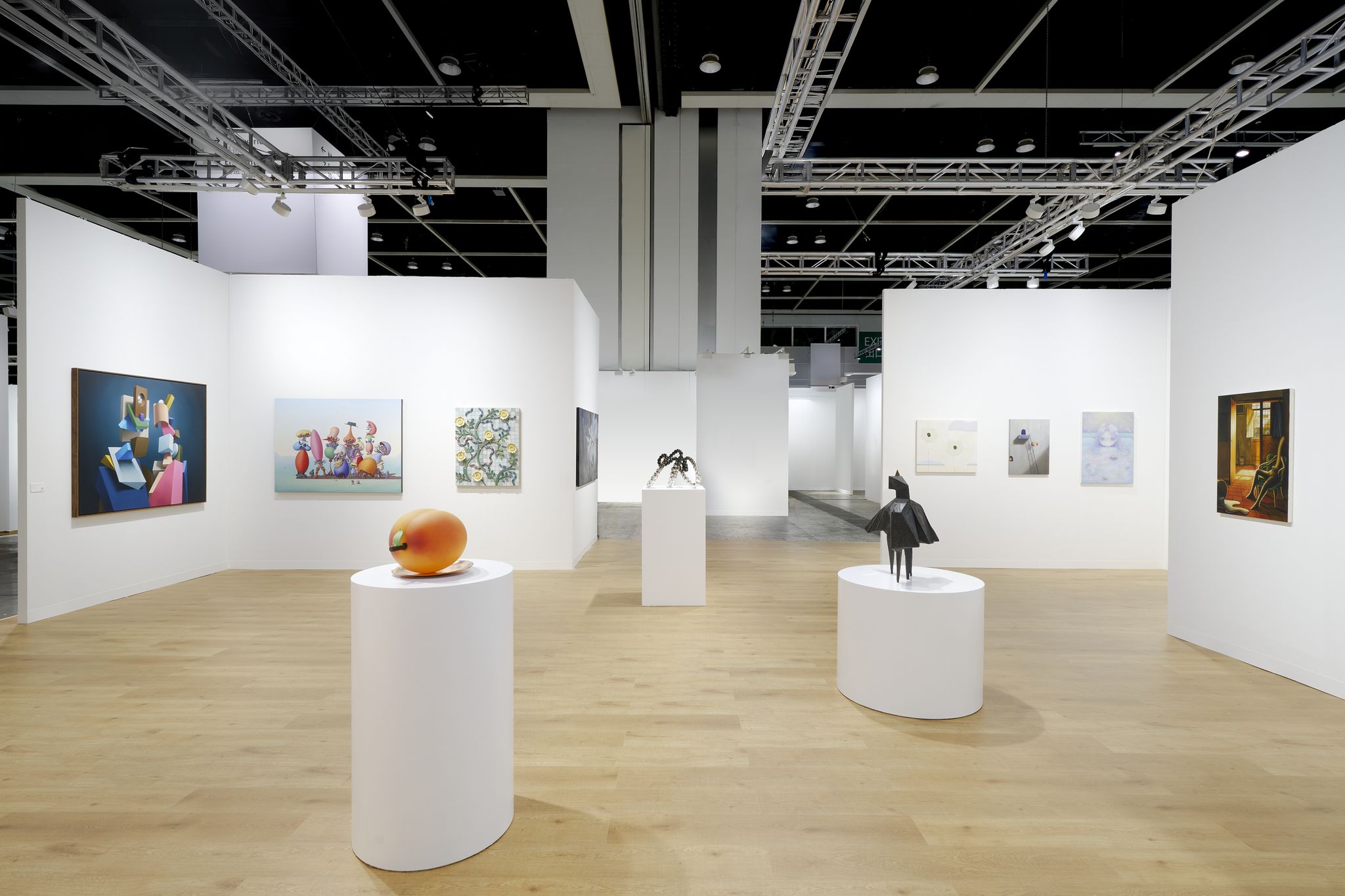
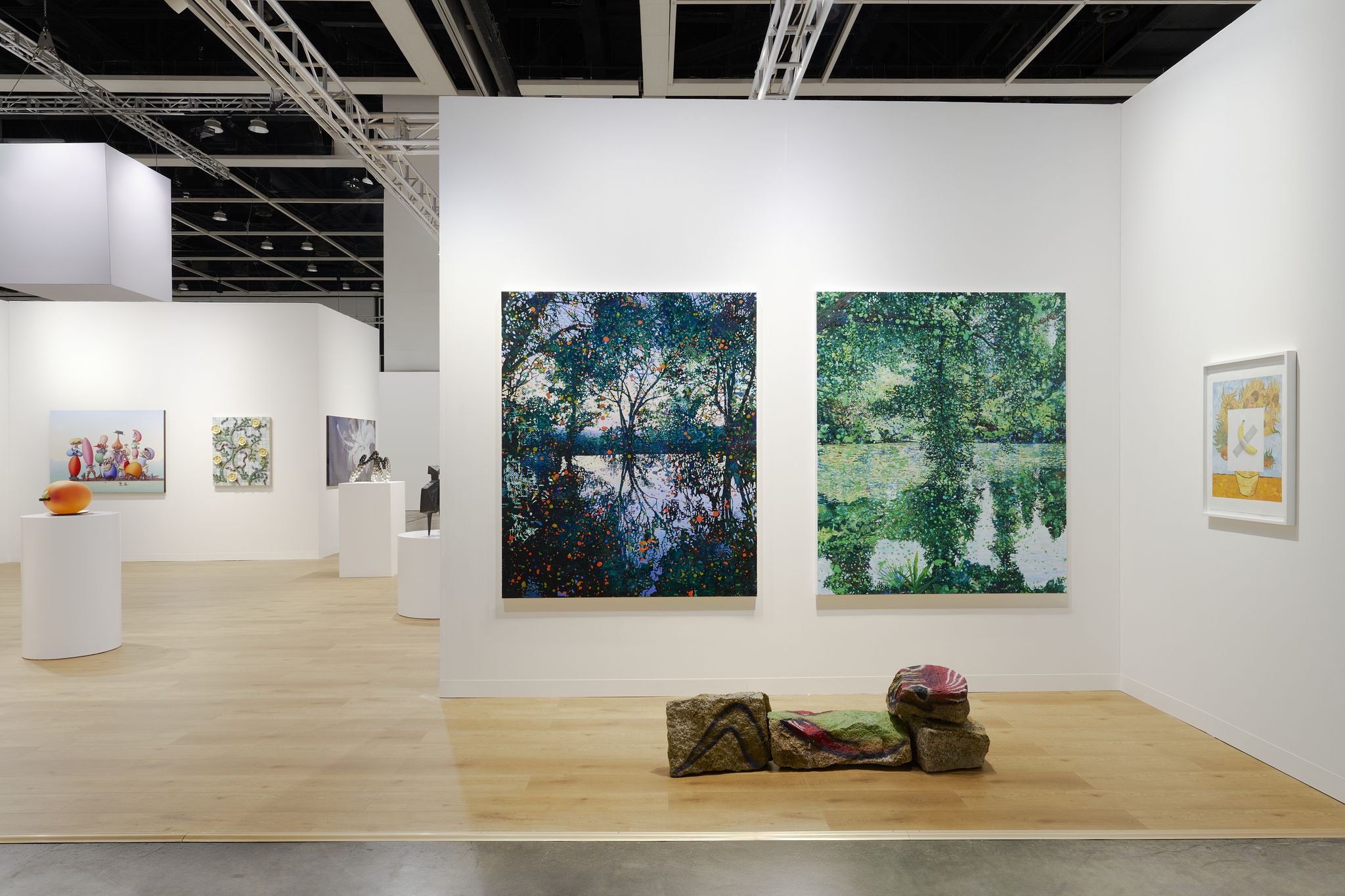
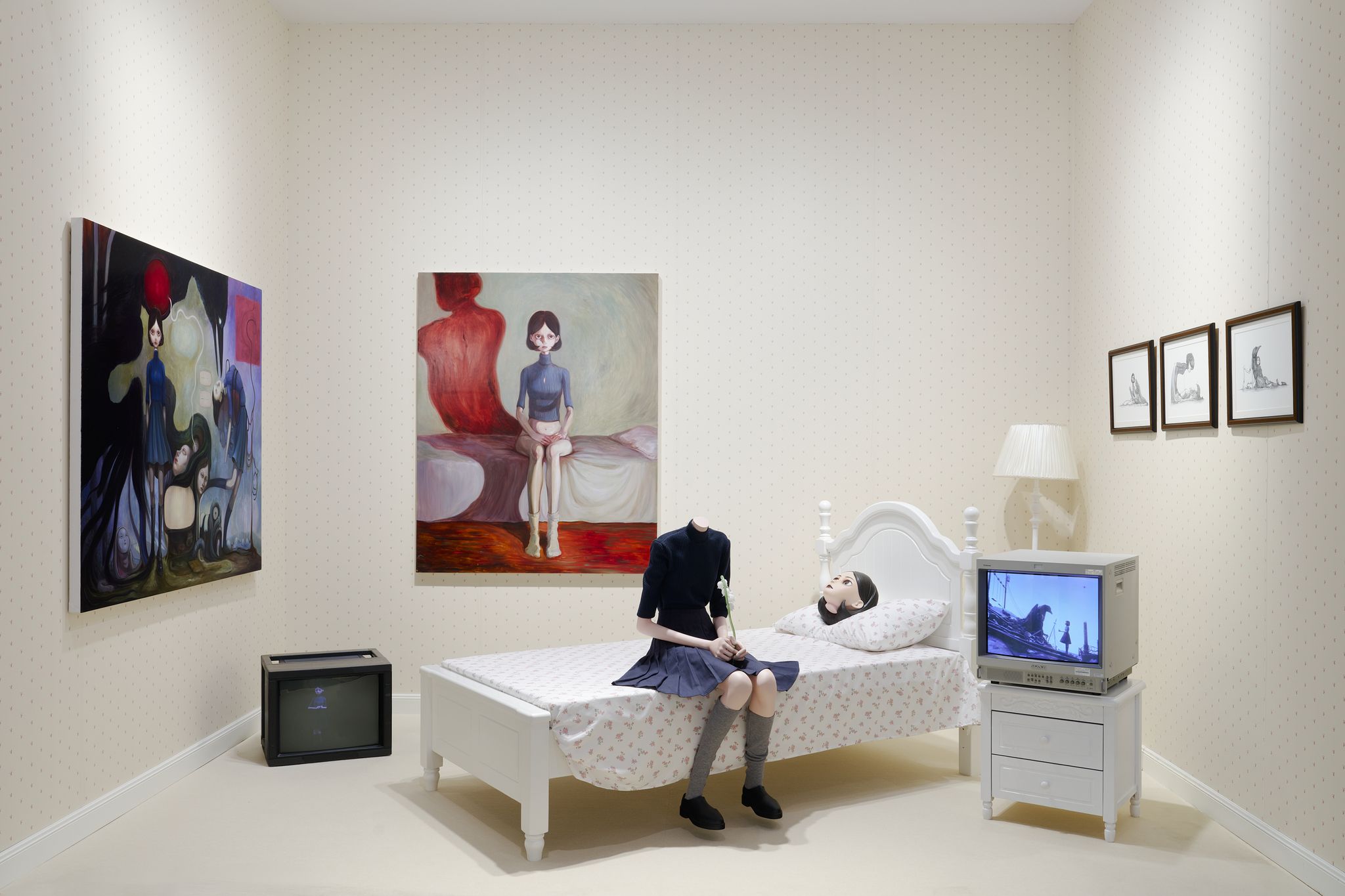
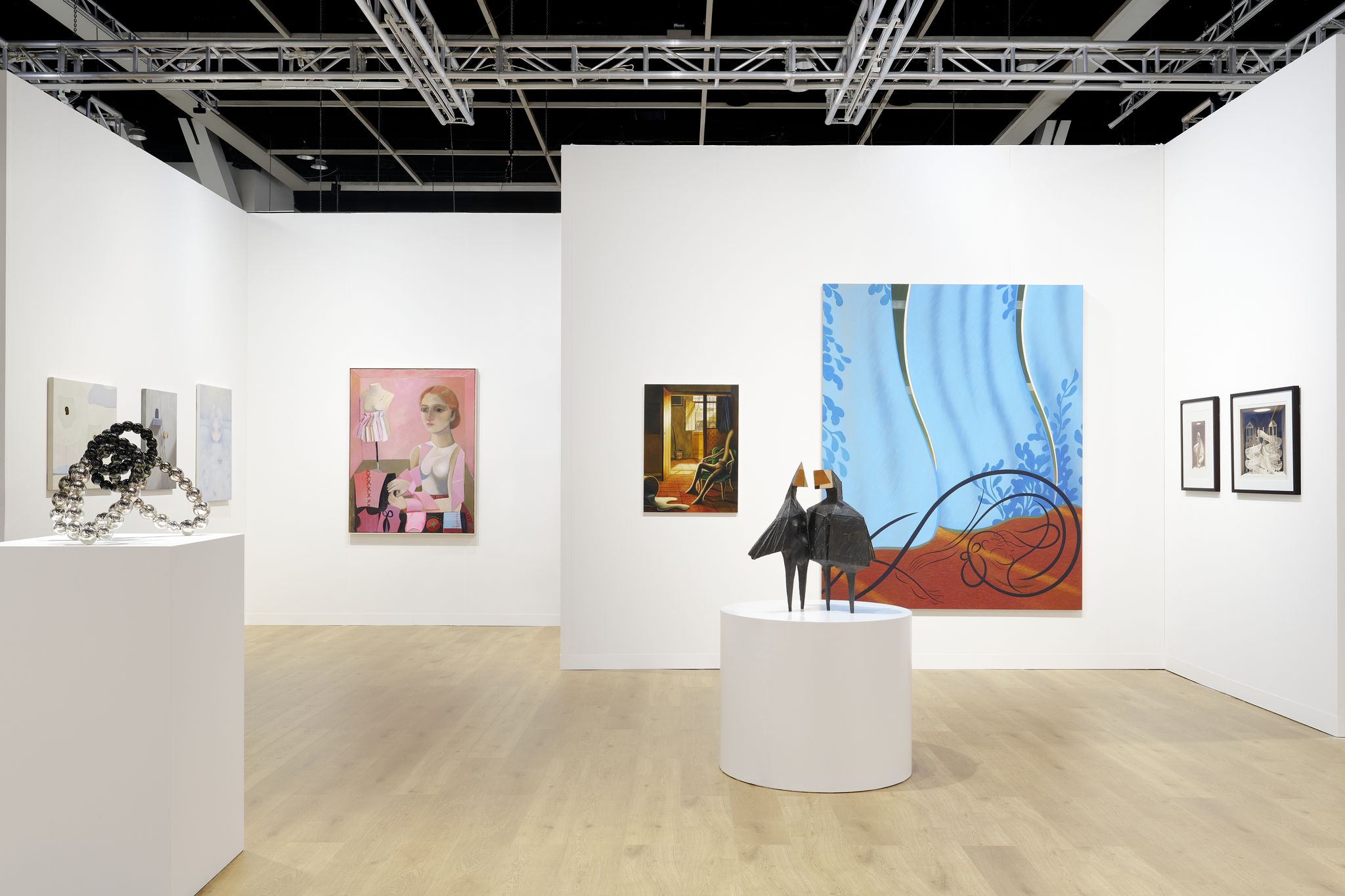
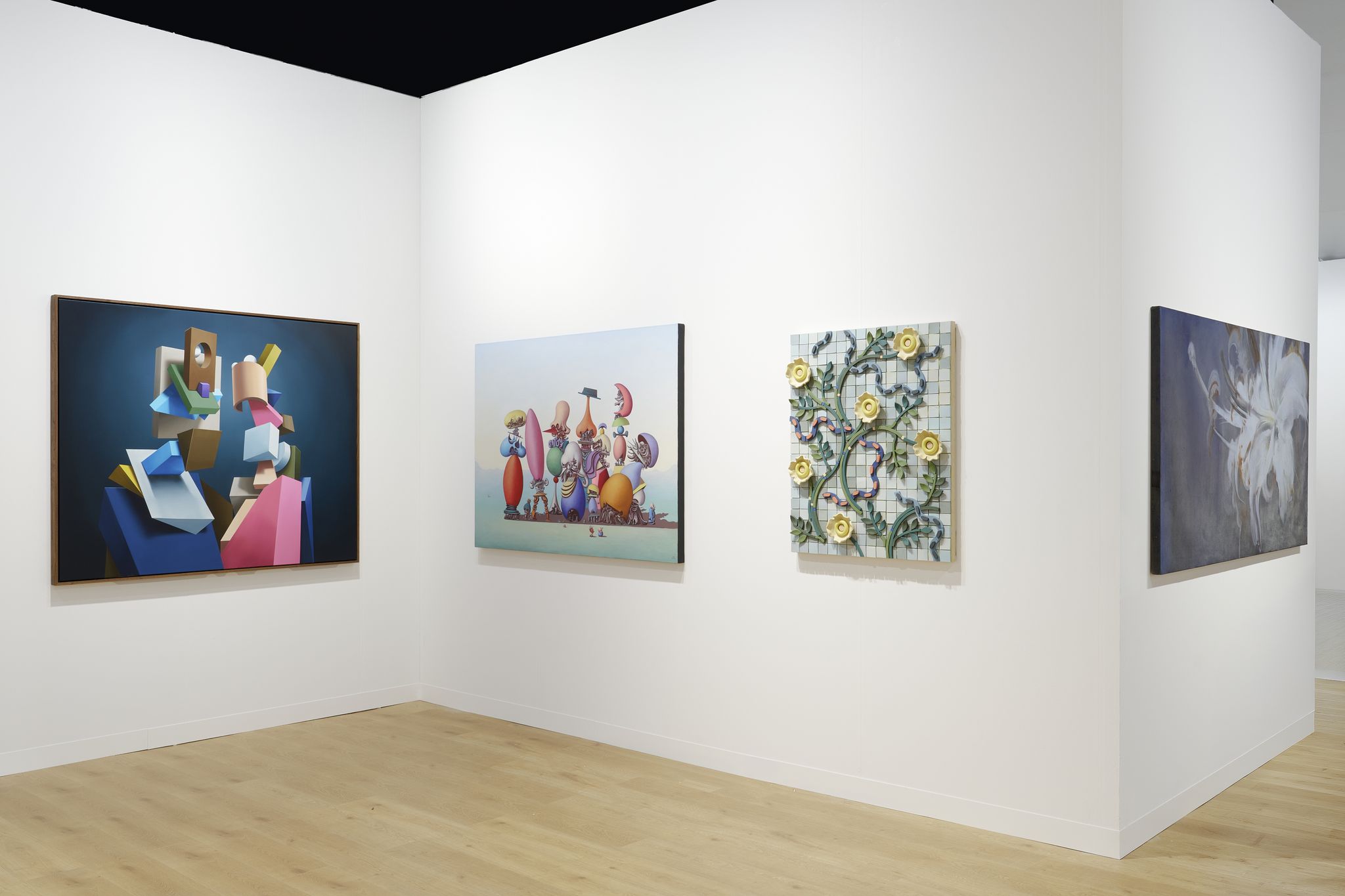
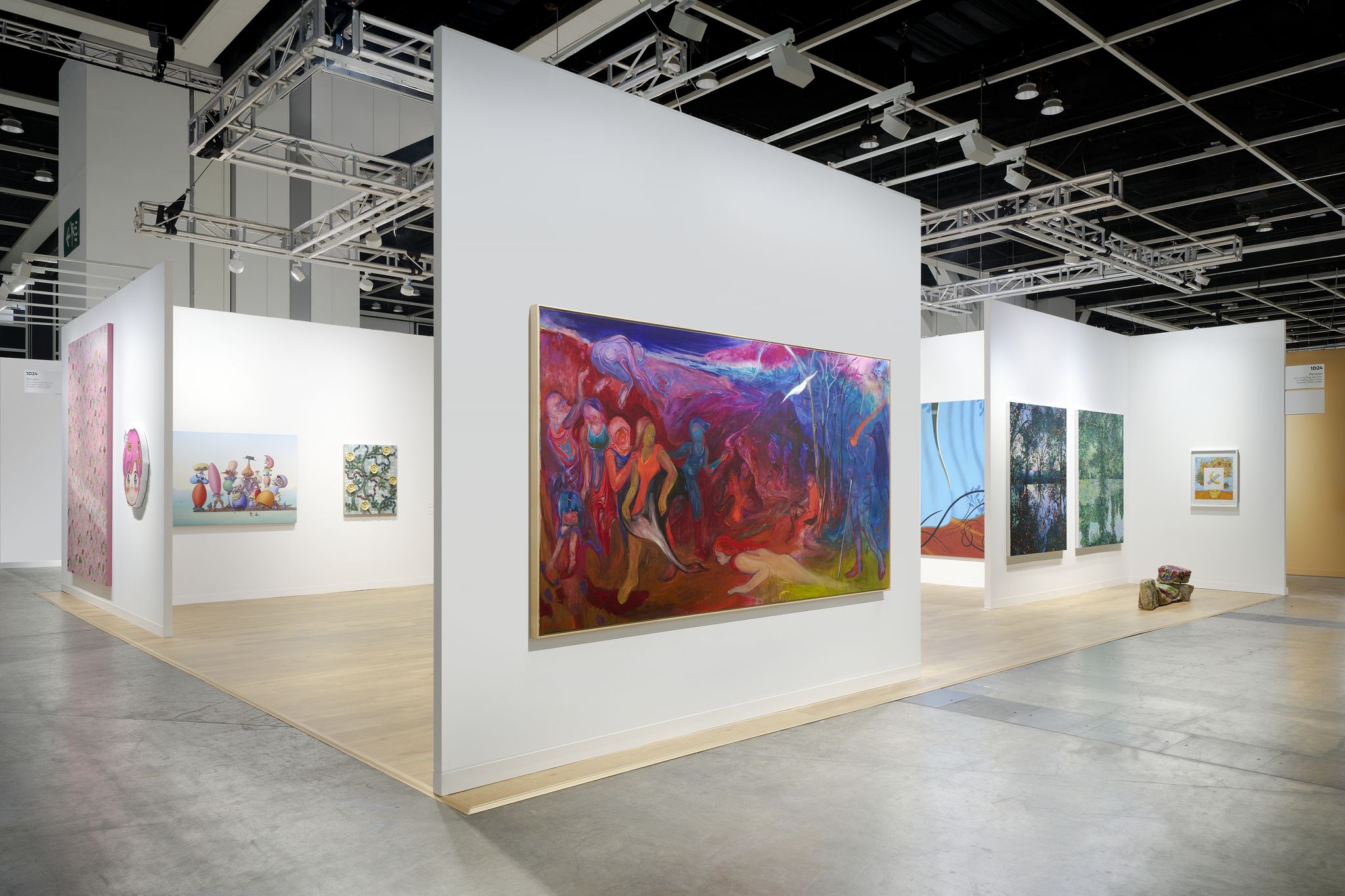
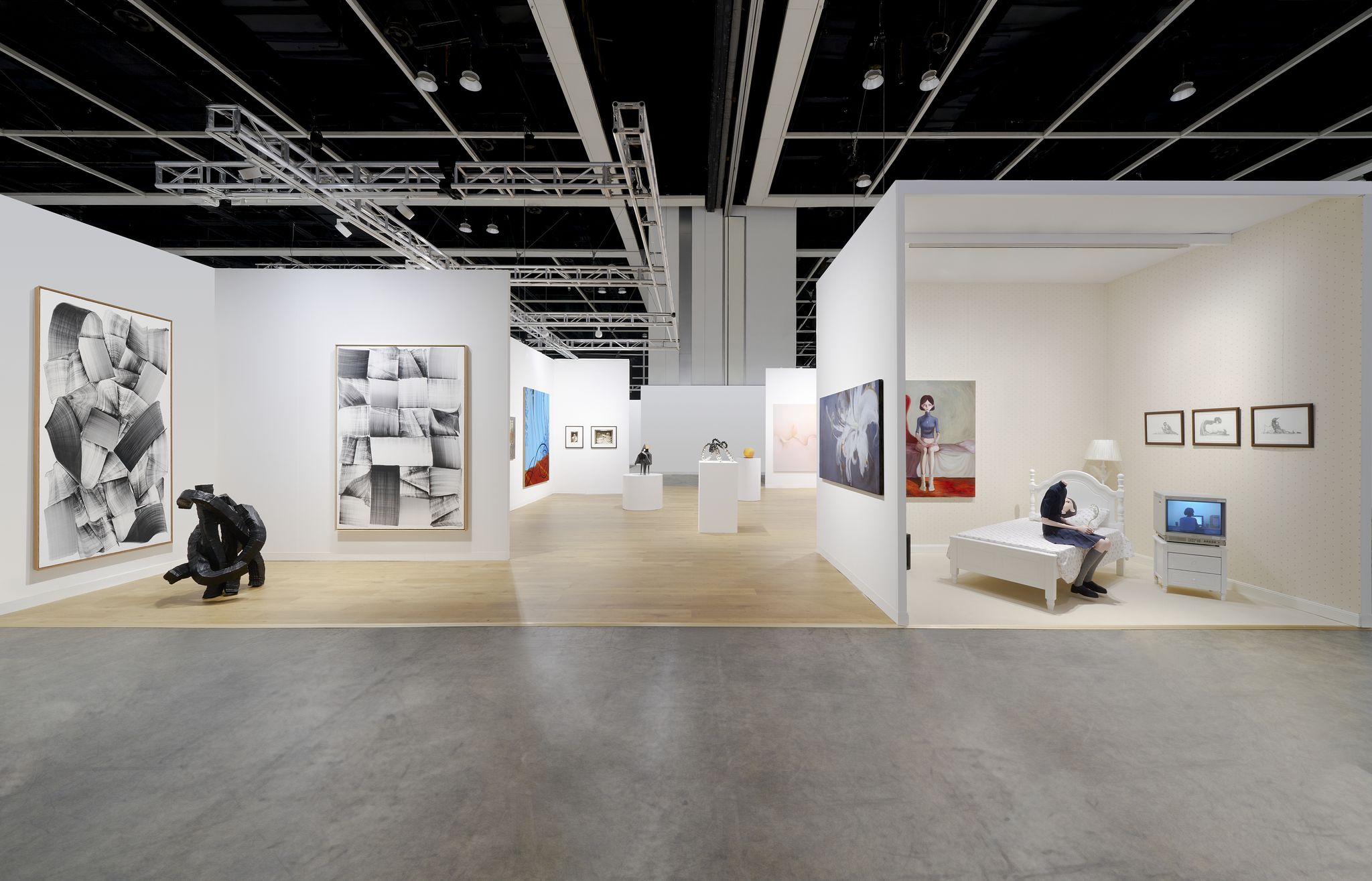
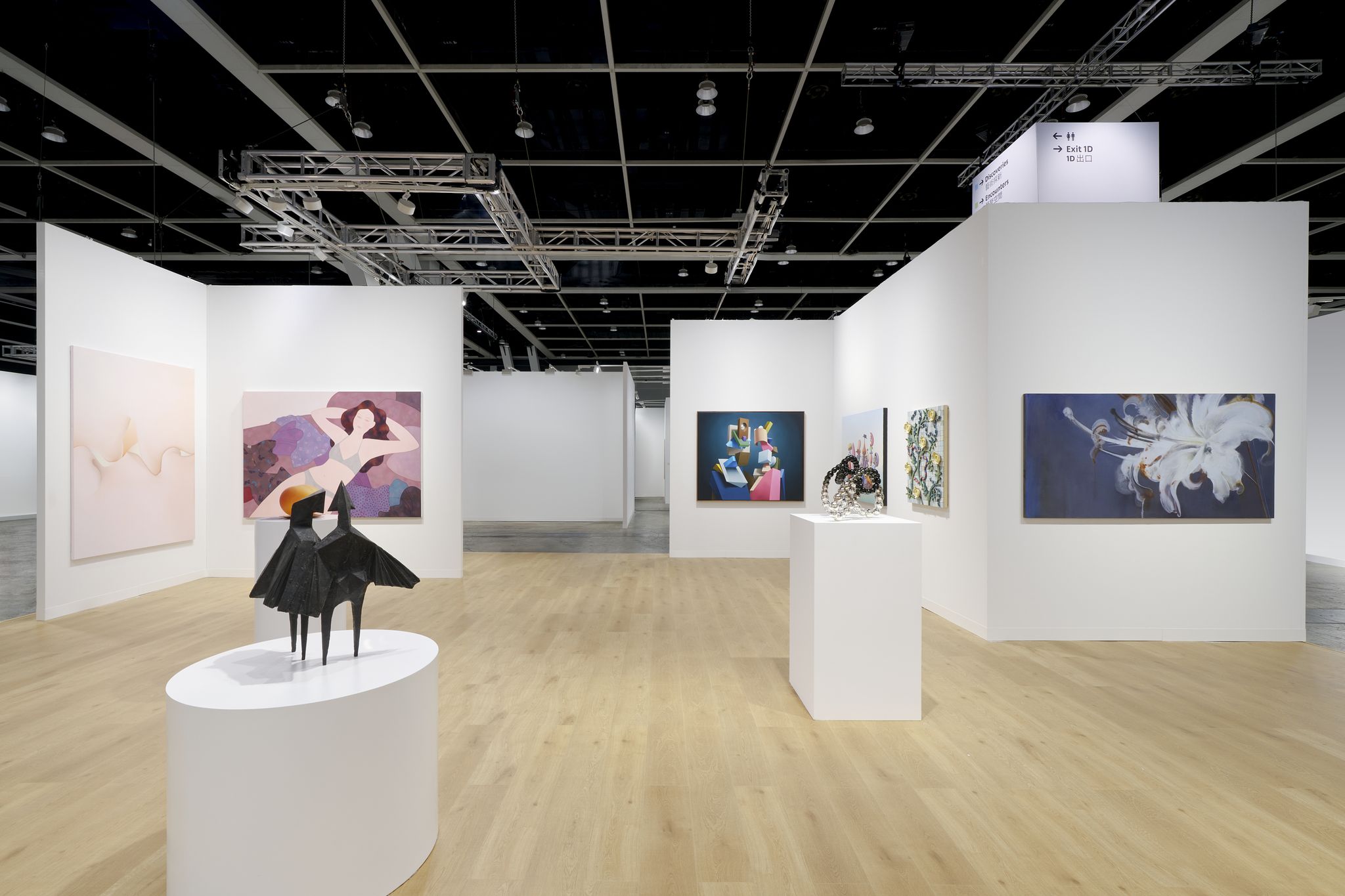
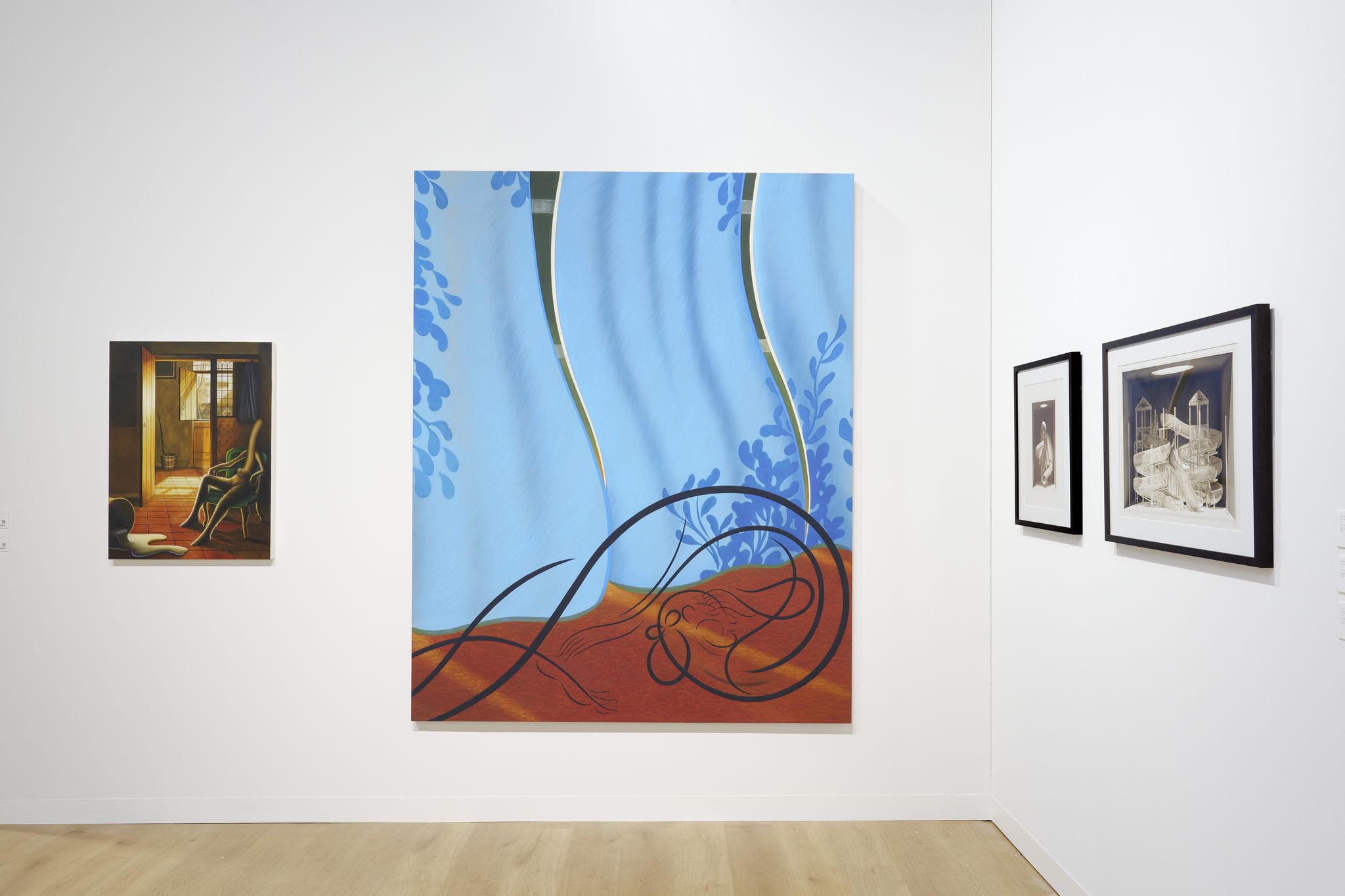
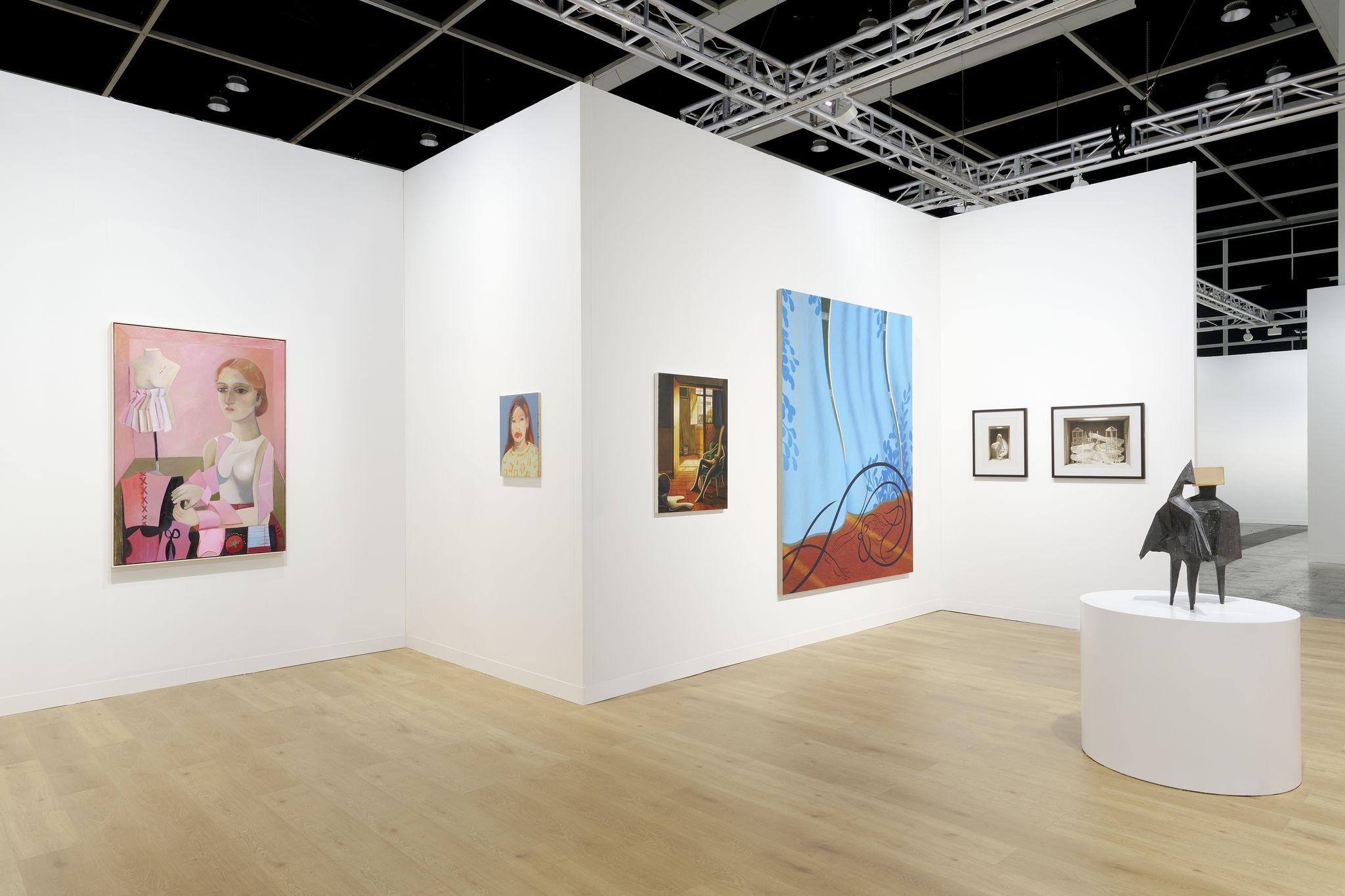
Perrotin returns to Art Basel Hong Kong 2026 with a presentation that brings together established figures and emerging voices across painting, sculpture, and installation. The gallery is pleased to announce its representation of Mehdi Ghadyanloo in Asia. At Art Basel Hong Kong, he is featured in a dedicated solo corner with new works. Another solo corner presents an immersive installation by Lauren Tsai, marking her first collaboration with the gallery. Additionally, Steph Huang has been selected for the fair's Encounters sector with her installation Grafting.
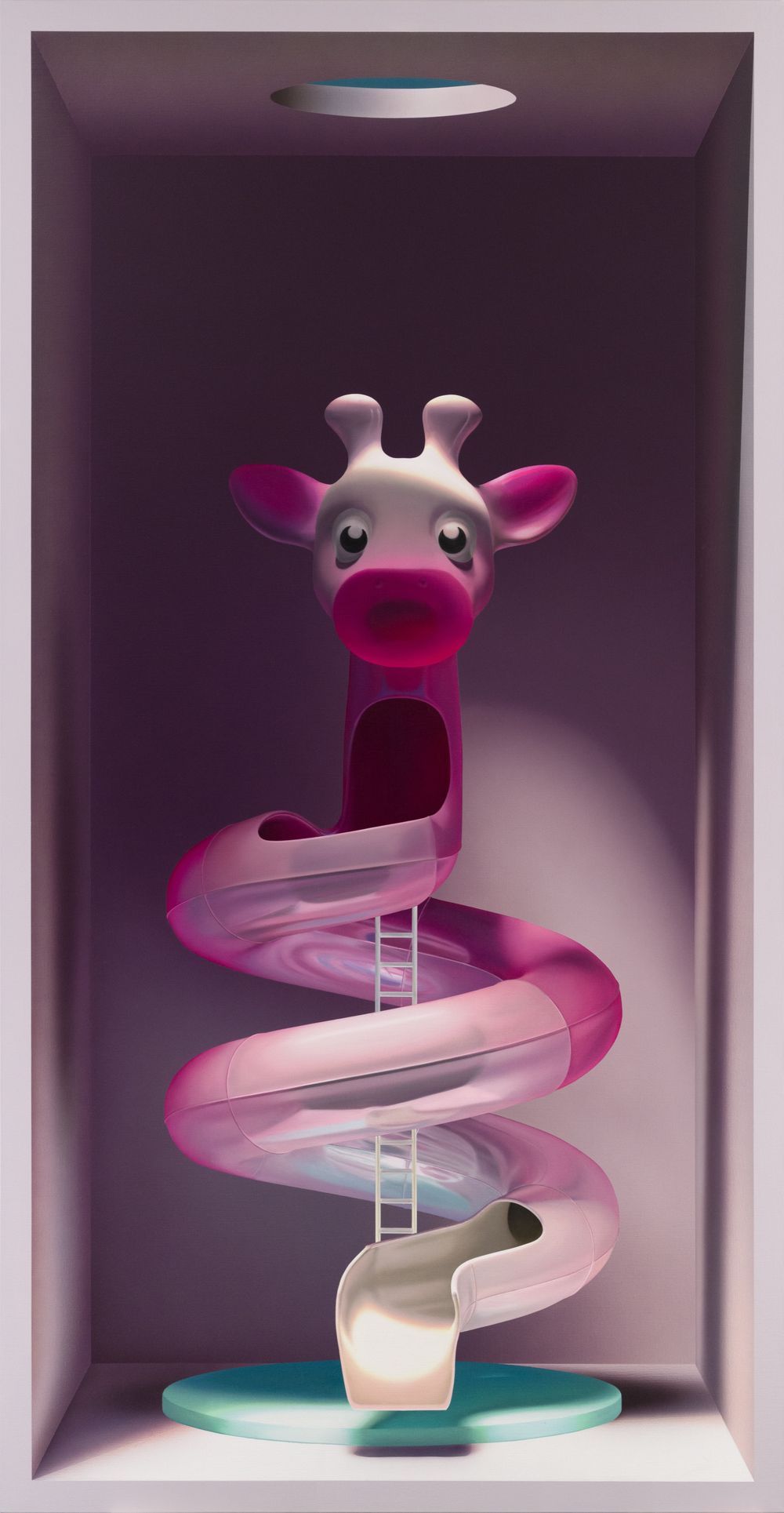
Mehdi Ghadyanloo, newly represented by Perrotin for Asia, brings a solo presentation featuring hyperrealistic playground scenes. Ghadyanloo’s brightly colored labyrinths of slides, ladders, and rocking horses, staged within empty, box-like interiors lit from above, evoke themes of lost childhood and displacement. Rendered in saturated color, with dramatic chiaroscuro and precise perspectival construction, these works transform familiar objects into enigmatic still lifes.
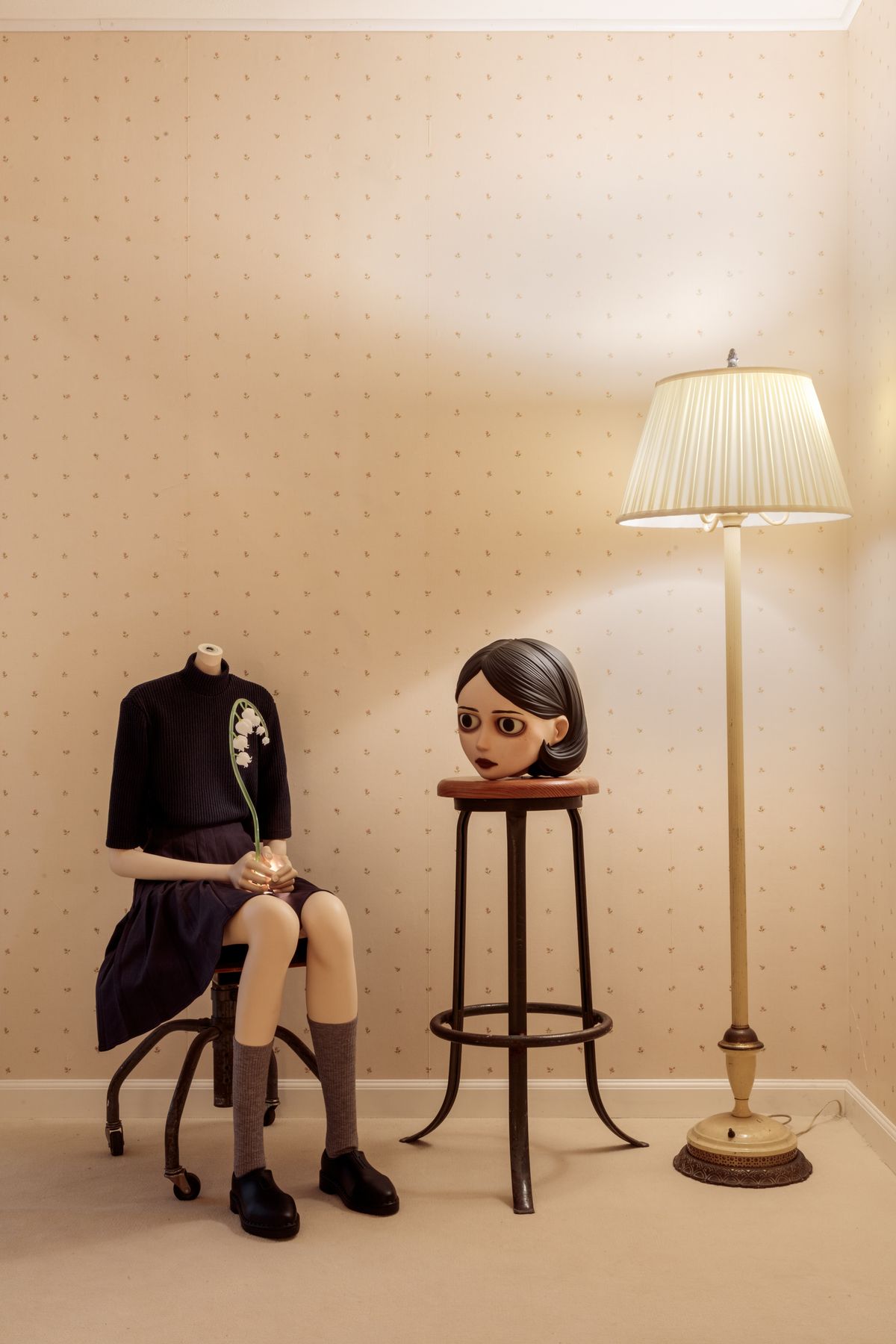
Lauren Tsai (b. 1998, Massachusetts, USA; lives and works in Los Angeles) is a multidisciplinary artist and filmmaker working across drawing, painting, sculpture, and time-based media. Her practice is shaped by the animated films of her childhood, centering on long-form narrative and world-building. Within imaginary liminal spaces, memory takes tangible form: emotions manifest as puppets and recurring characters, existing in environments shaped by psychological rather than narrative logic. Across her work, Tsai explores the persistence of ideas and the tension between remembering and forgetting. In 2025, she presented My Dream: Our Hill, an immersive installation for Landmark Hong Kong, followed by The Dying World, a solo exhibition at Hollywood Forever Cemetery, Los Angeles—an evolving project thus far realized as a short stop-motion film and a large-scale installation.
Highlights include:
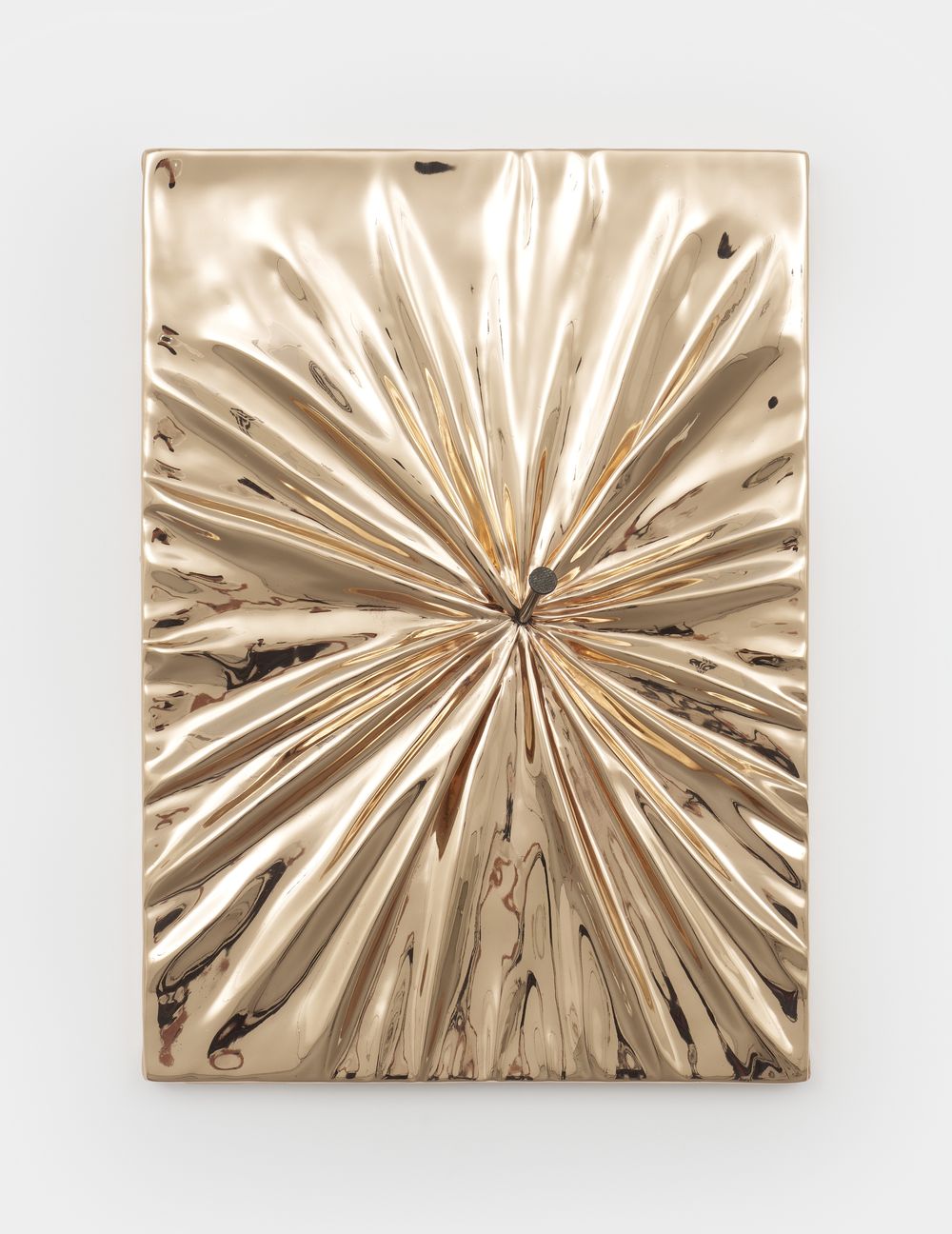
Maurizio Cattelan presents ENVY, a polished brass panel impaled with an iron nail, and Window, a unique watercolor on paper from a series revisiting his iconic Comedian. Drawing freely from the real world of people and objects, Cattelan turns sharp humor and provocation against art, its institutions, and the social structures they inhabit. Cattelan is concurrently the subject of major institutional presentations, including Endless Sunday at Centre Pompidou-Metz and a forthcoming solo exhibition at the Neue Nationalgalerie, Berlin, opening in September 2026.
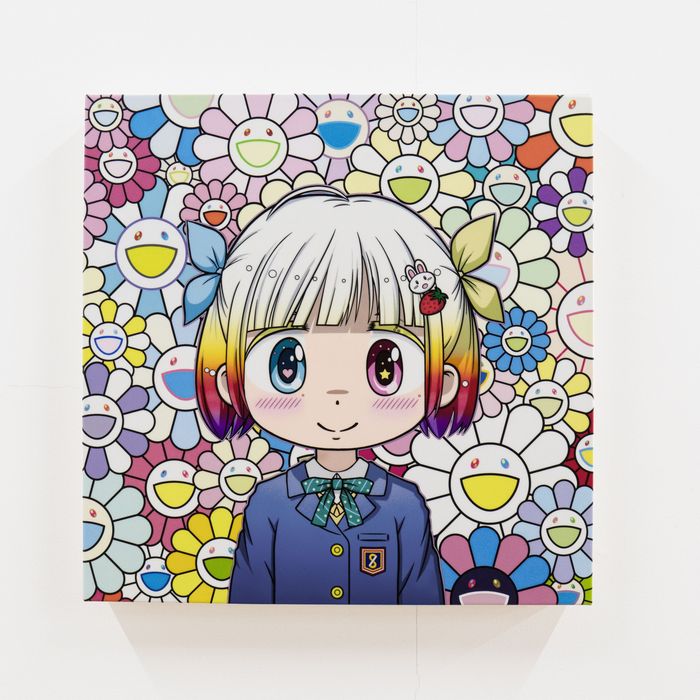
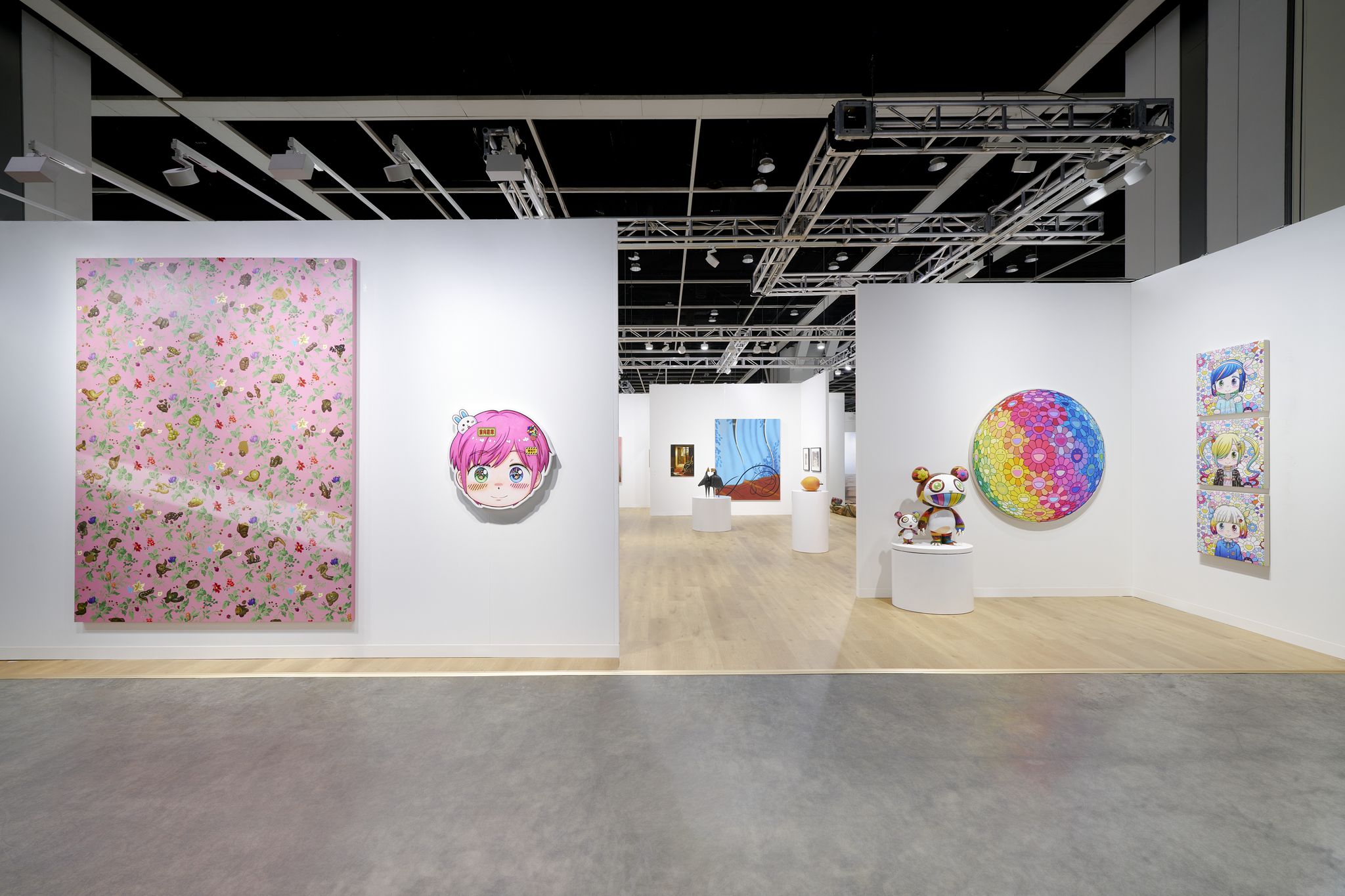
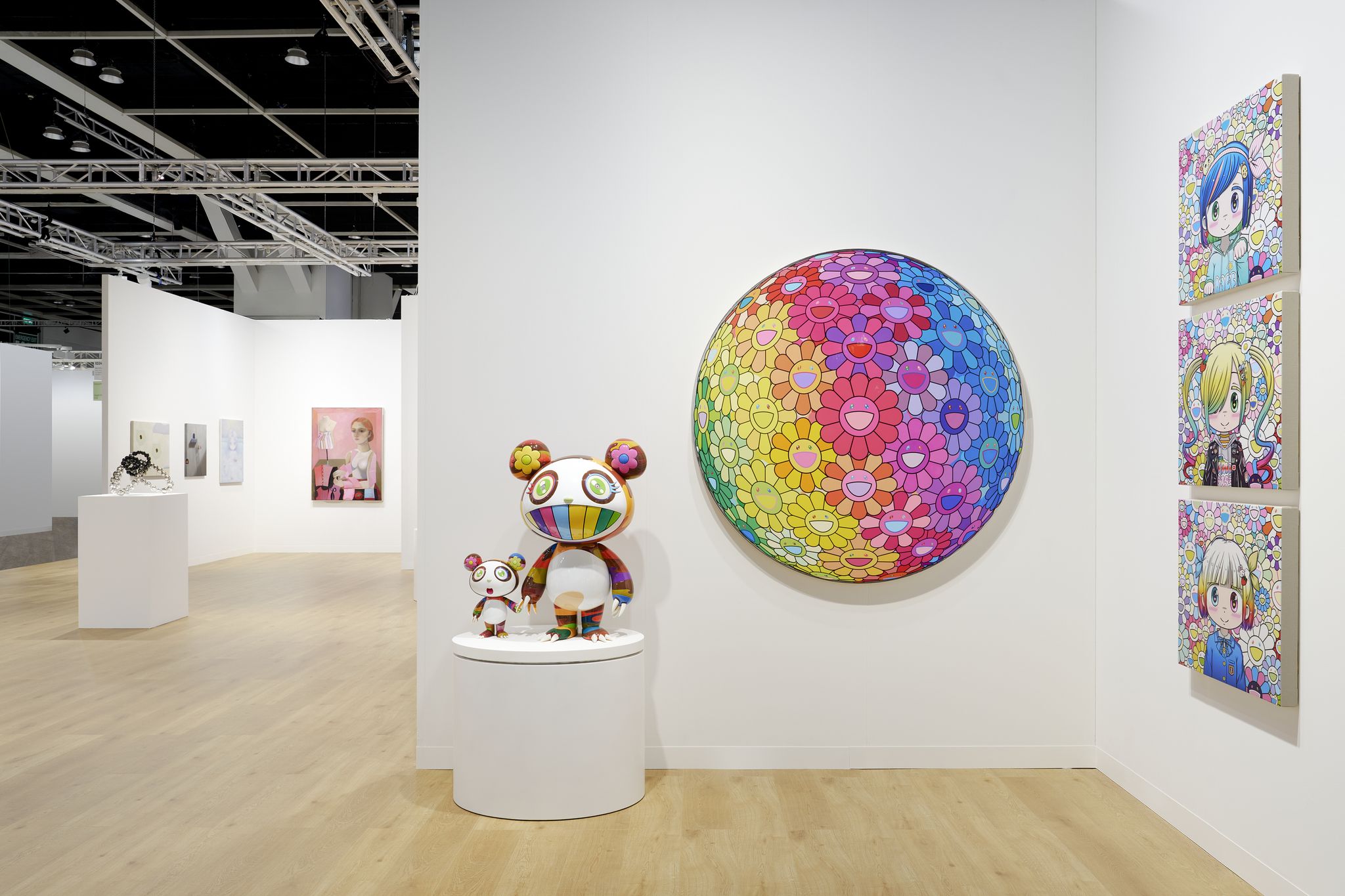
Mr. and Takashi Murakami present three jointly produced paintings. Mr.'s figures—translated from his recent NFT series into acrylic on canvas—appear amid Murakami's flower fields, their wide-eyed vulnerability set against the flowers' relentless cheer. Mr.'s solo exhibition is currently on view at the Neiwei Arts Center in Kaohsiung through April 26.
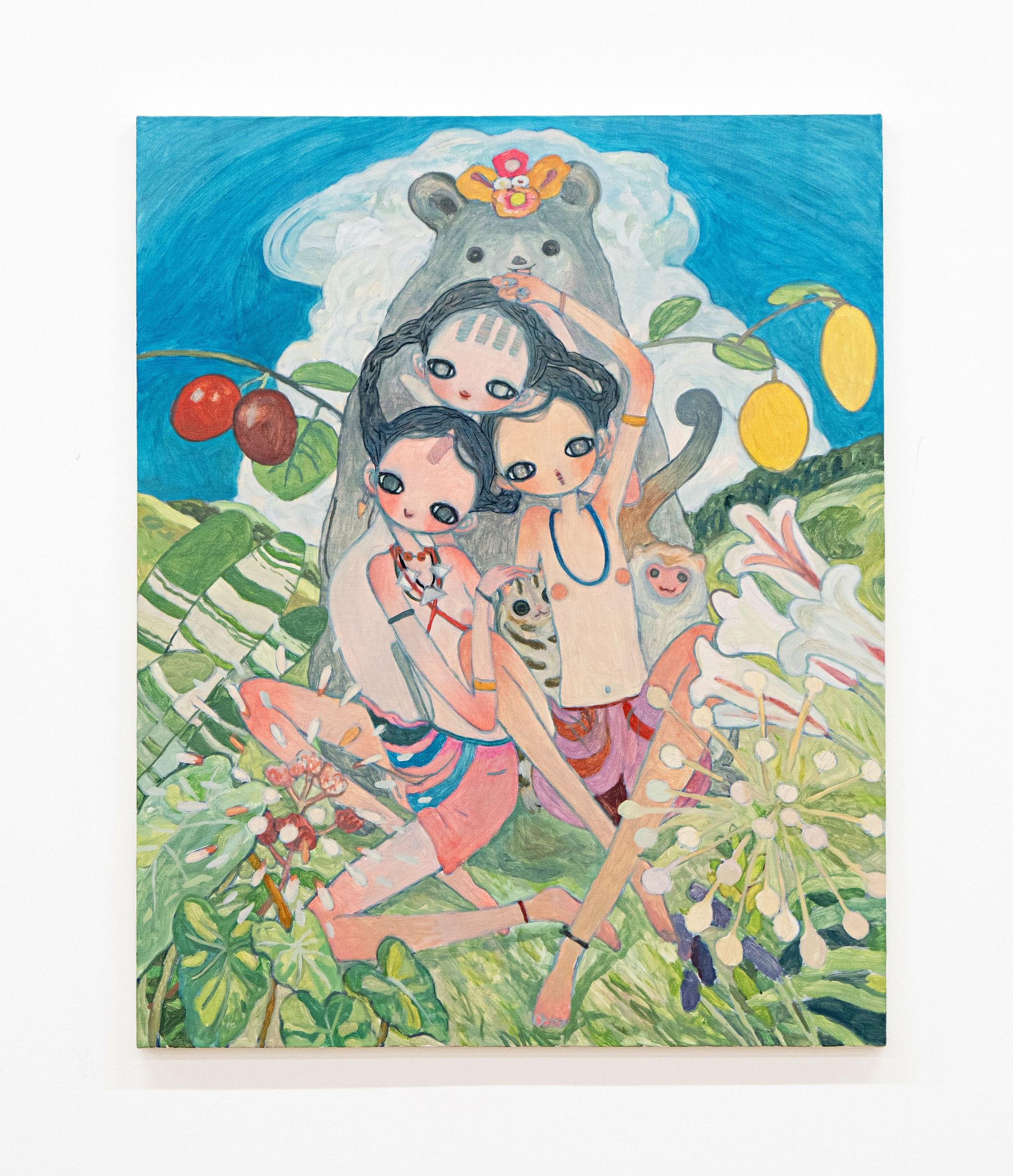
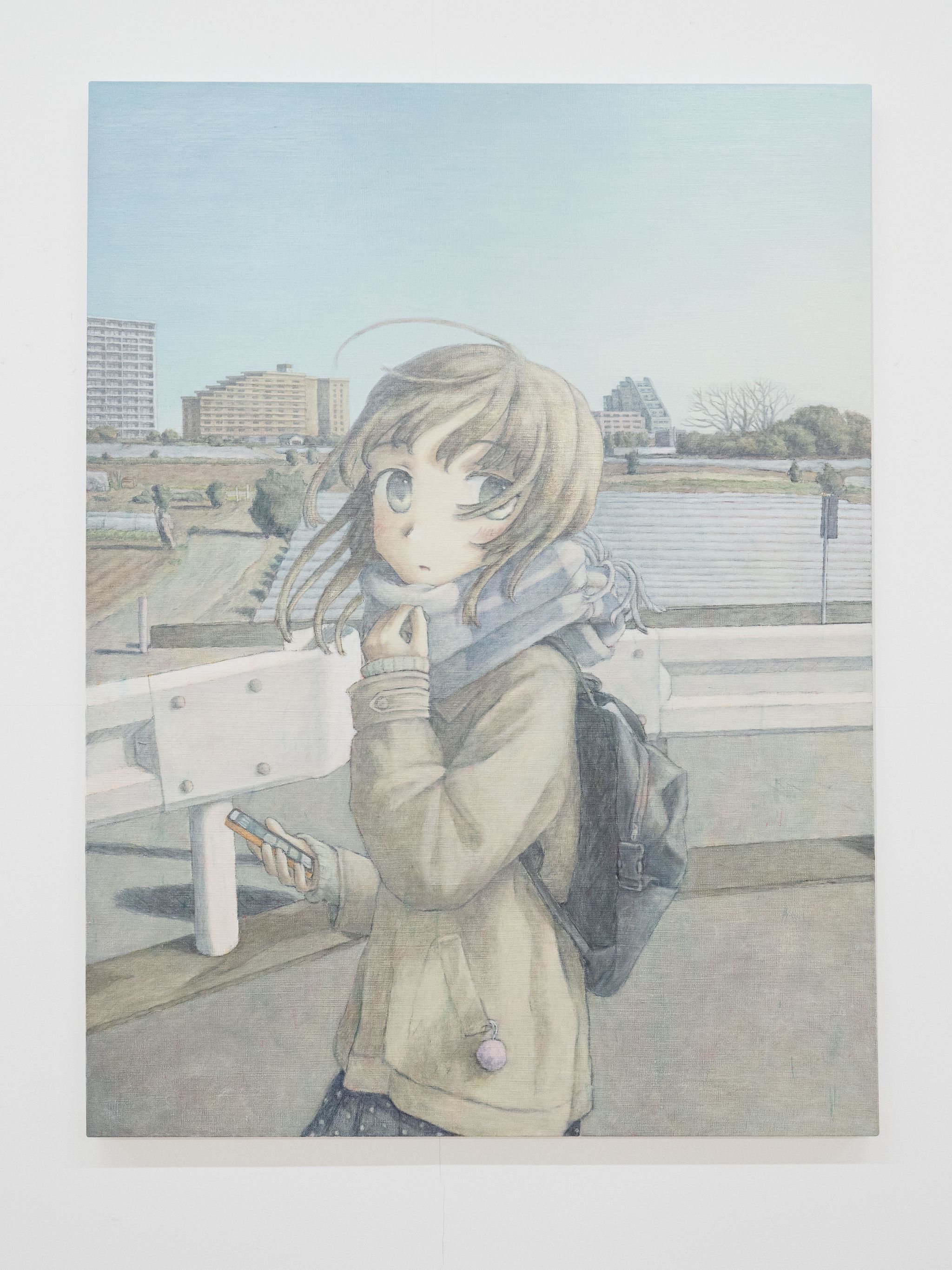
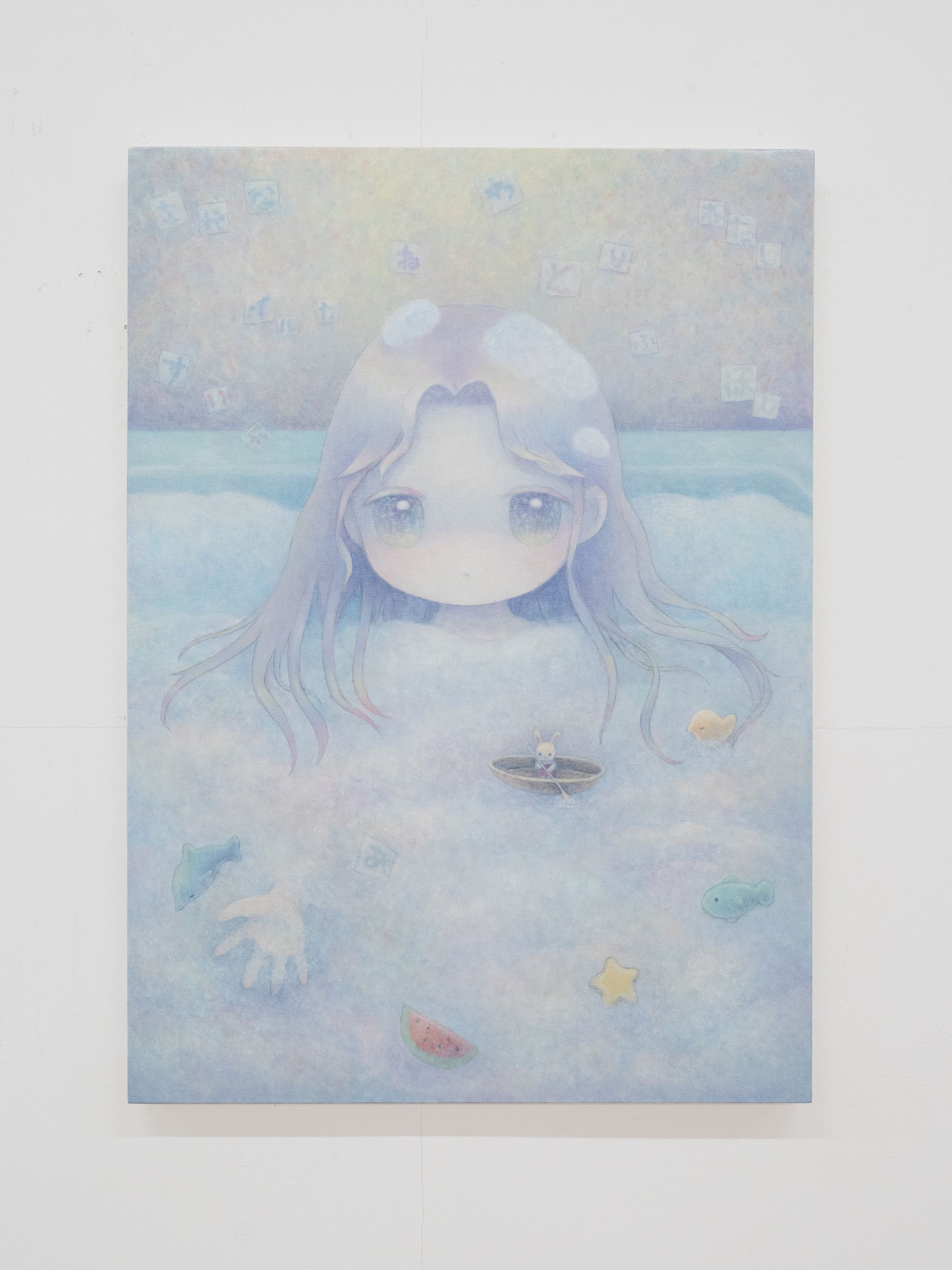
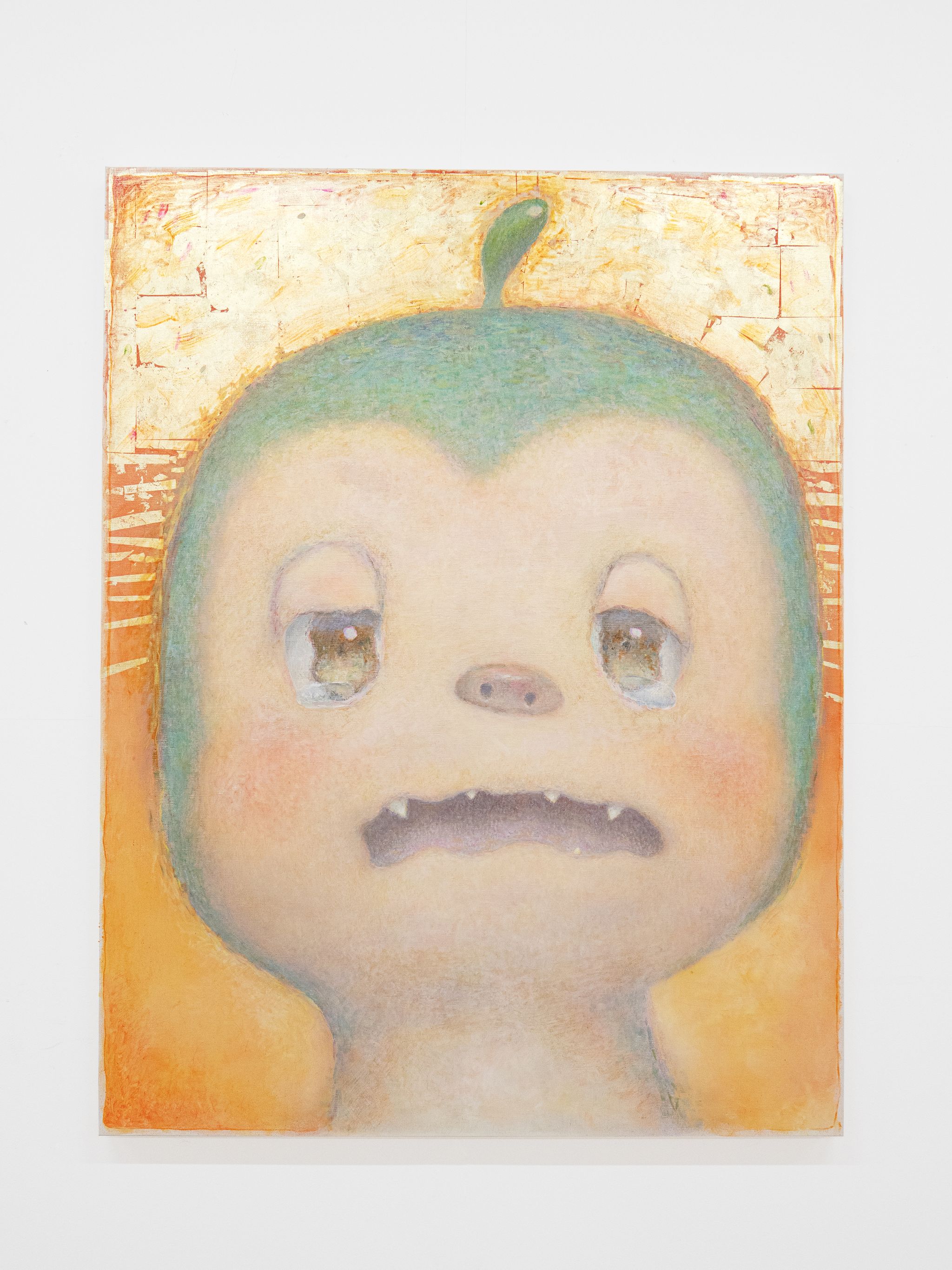
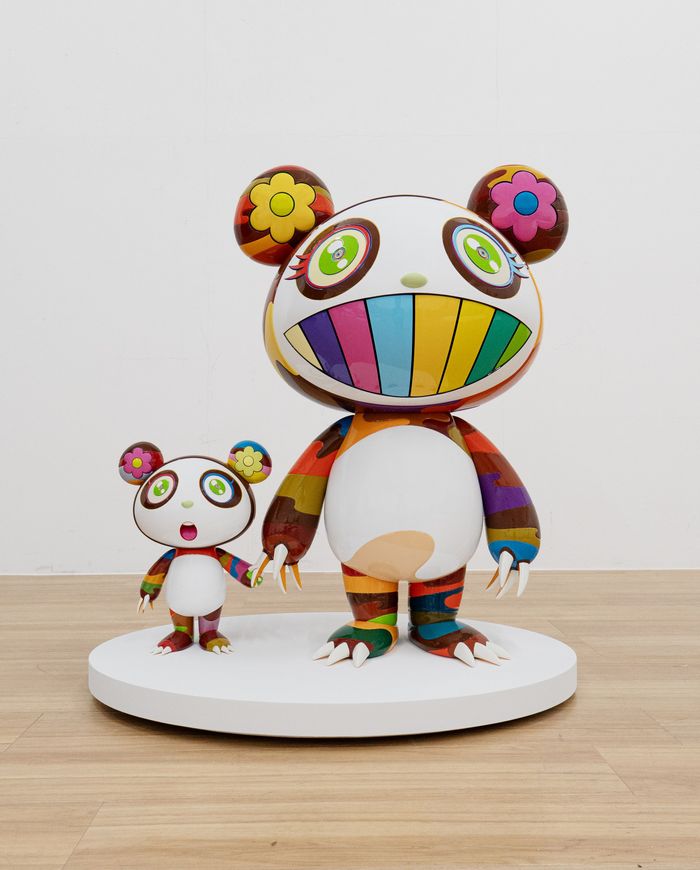
Also on view is Murakami's new FRP sculpture of a panda parent and cub—rendered in his signature rainbow palette and making its Hong Kong debut—a character that has recurred across his paintings, prints, and sculptures for over two decades. Other artists from the Kaikai Kiki collective continue the dialogue between fine art and popular culture: AYA TAKANO’s life keeps bursting forth peoples an animistic, Eden-like world where fluid figures and living forms coexist in a poetic vision of interconnected life; Emi Kuraya presents two oil paintings of young women at the edge of adulthood, her muted palettes attuned to the textures of uncertainty and self-discovery; ob brings two works in which figures hover between waking and dreaming, her characteristic haze suffusing the boundary between the physical and the imagined; and Otani Workshop presents Crying Tanilla—capturing the artist’s signature monster mid-cry, its raw expression both comic and unsettling—ahead of a forthcoming solo exhibition at Perrotin Paris in June 2026.
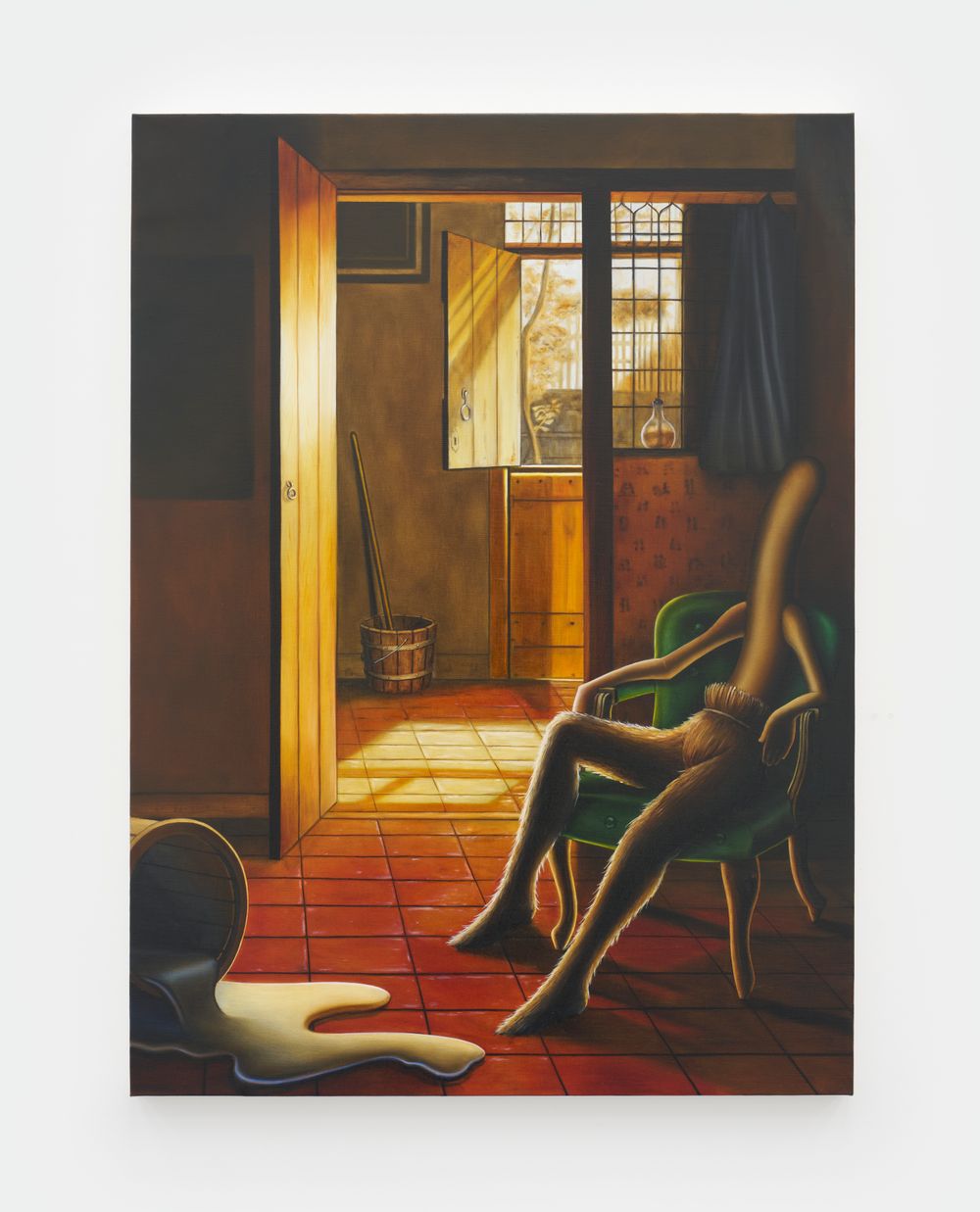
Emily Mae Smith presents a new painting Drained (Golden Age). Her signature anthropomorphic broomstick figure—simultaneously painter's brush, household implement, and phallus—slips between art-historical guises to probe questions of gender, labour, and power.
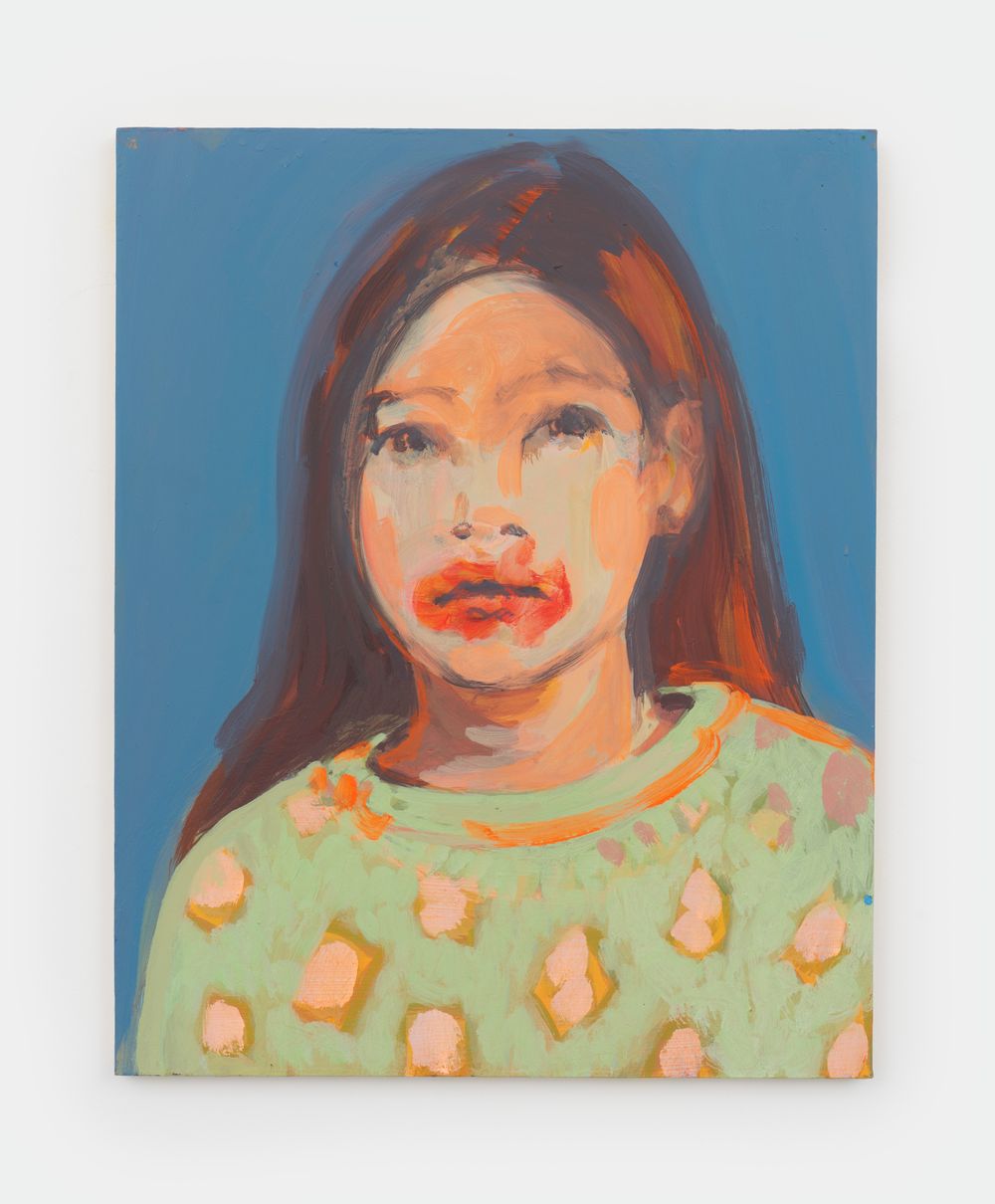
Meanwhile, Claire Tabouret’s Makeup (green and orange) treats makeup as both paint and disguise, using the face as a surface where painting and masking overlap.
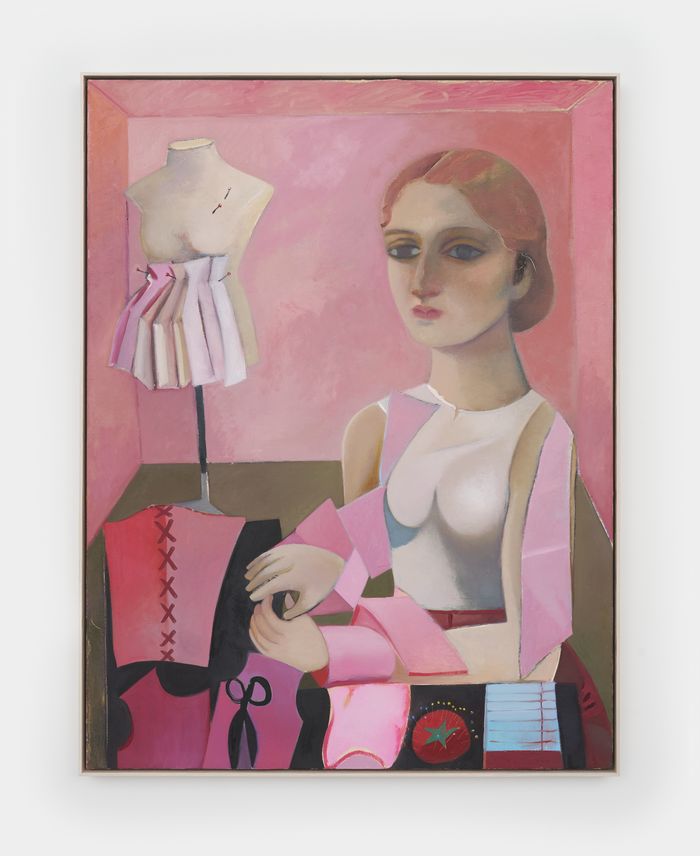
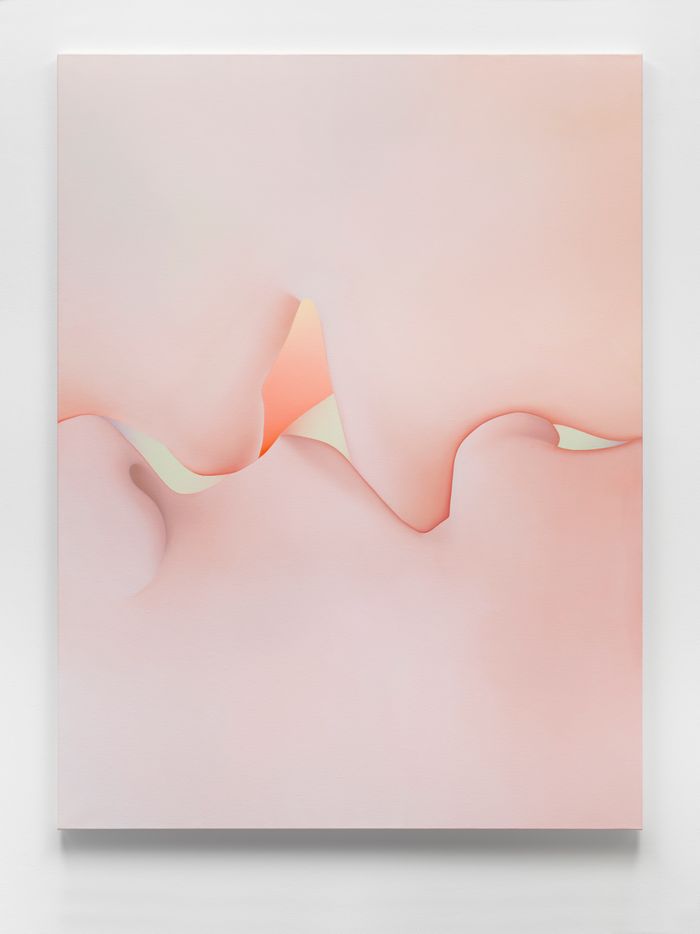
A new painting by Danielle Orchard, titled Seamstress, continues her sustained inquiry into female physicality, filtering modernist precedents—Picasso, Matisse, Balthus—through her own fragmented figuration. Her solo exhibition Borrowed Chord is currently on view at Perrotin Paris through April 18. Vivian Greven’s new painting )( XXI features the “kiss,” a recurring, iconic motif in her work that transforms an originally intimate scene into abstraction. In her practice, body imagery shaped by art history and contemporary digital culture becomes a site where intimacy, distance, and identity are continually redefined.
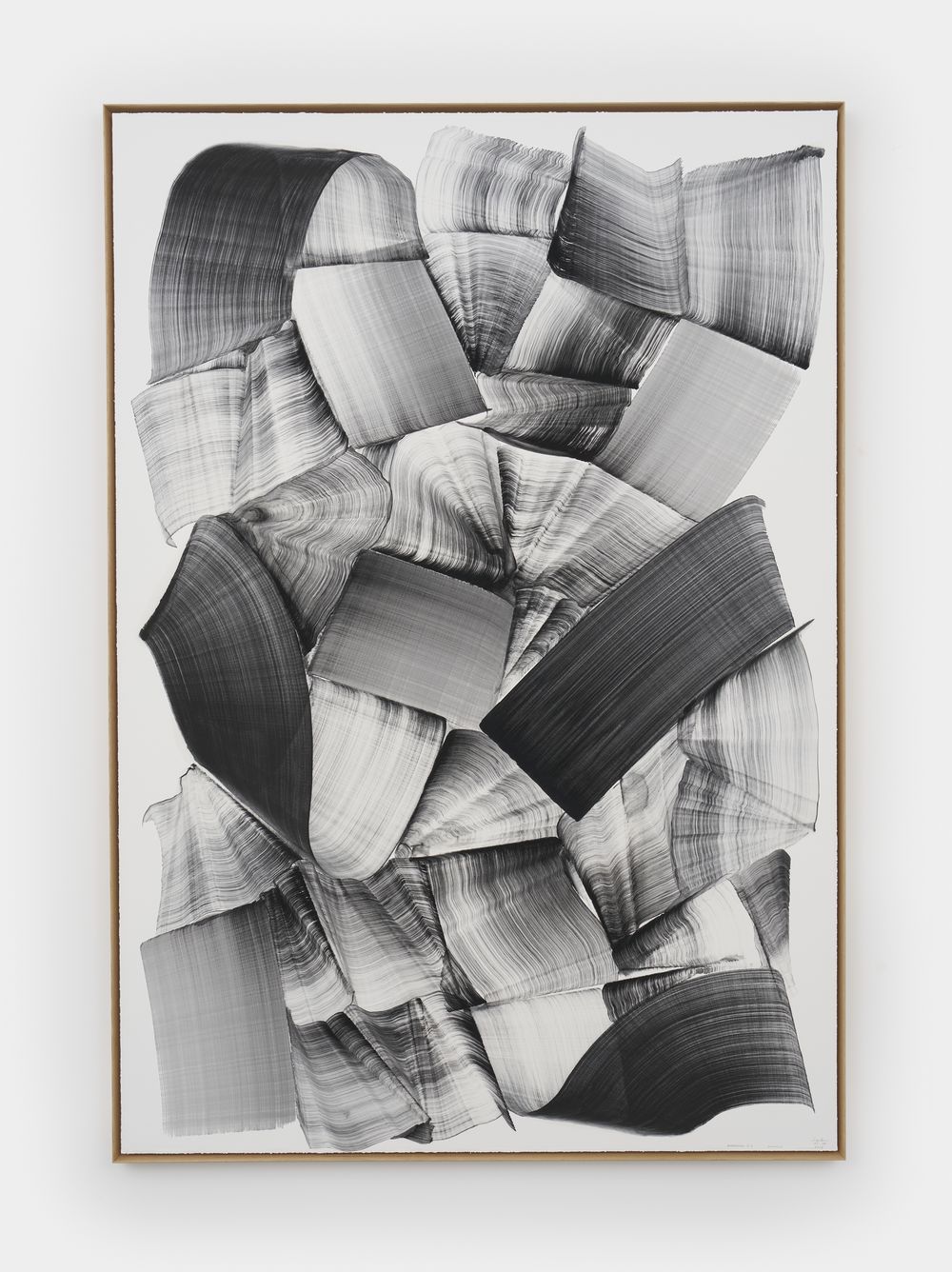
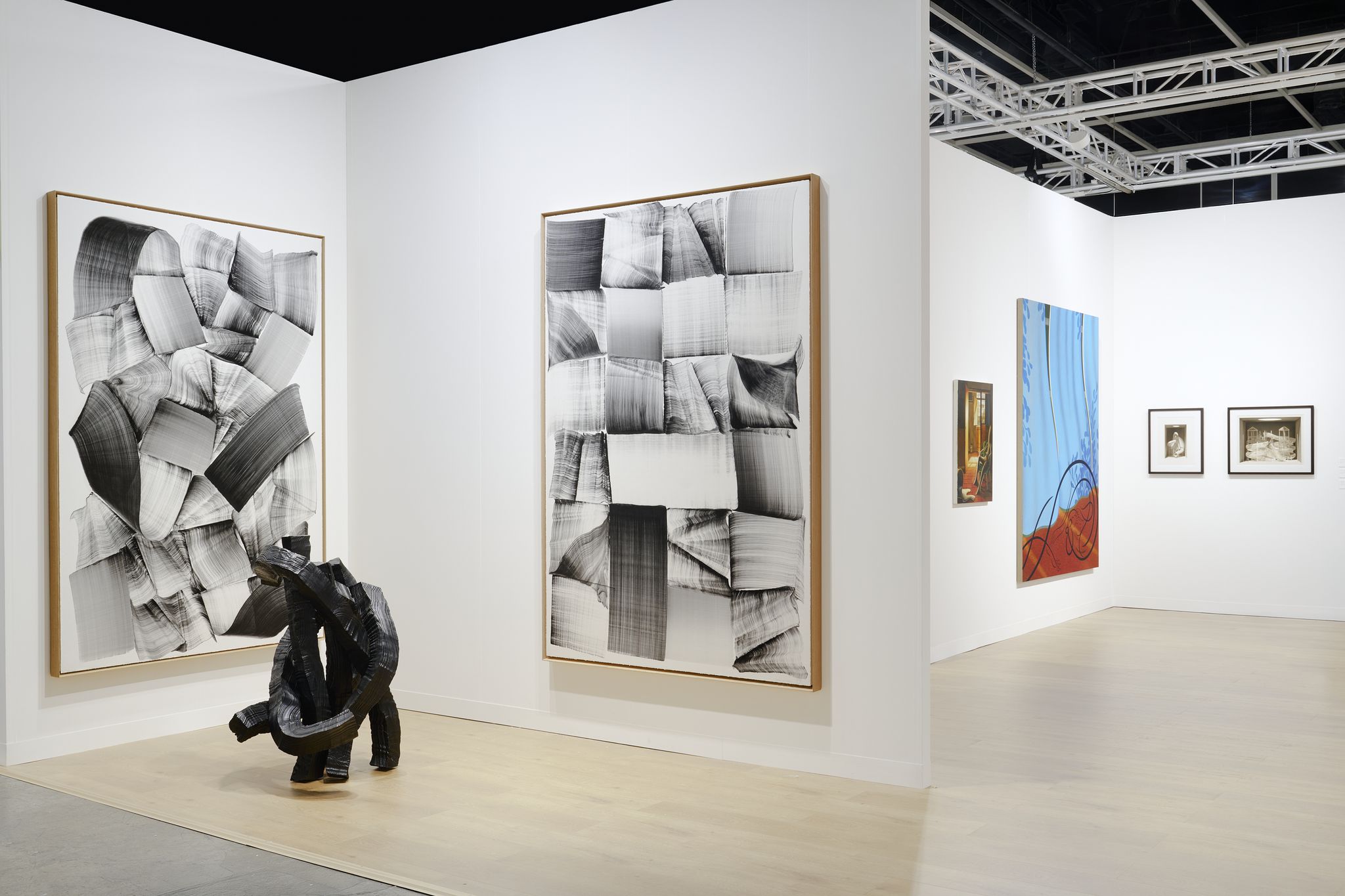
Lee Bae presents two new charcoal ink on paper works from his ongoing Brushstroke series, extending his decades-long exploration of charcoal as both material and subject—transforming the residue of burned wood into gestural abstractions; alongside a bronze sculpture that carries these forms into three dimensions. The presentation precedes his upcoming solo exhibition at the He Art Museum in Shunde, Foshan, opening in July 2026.
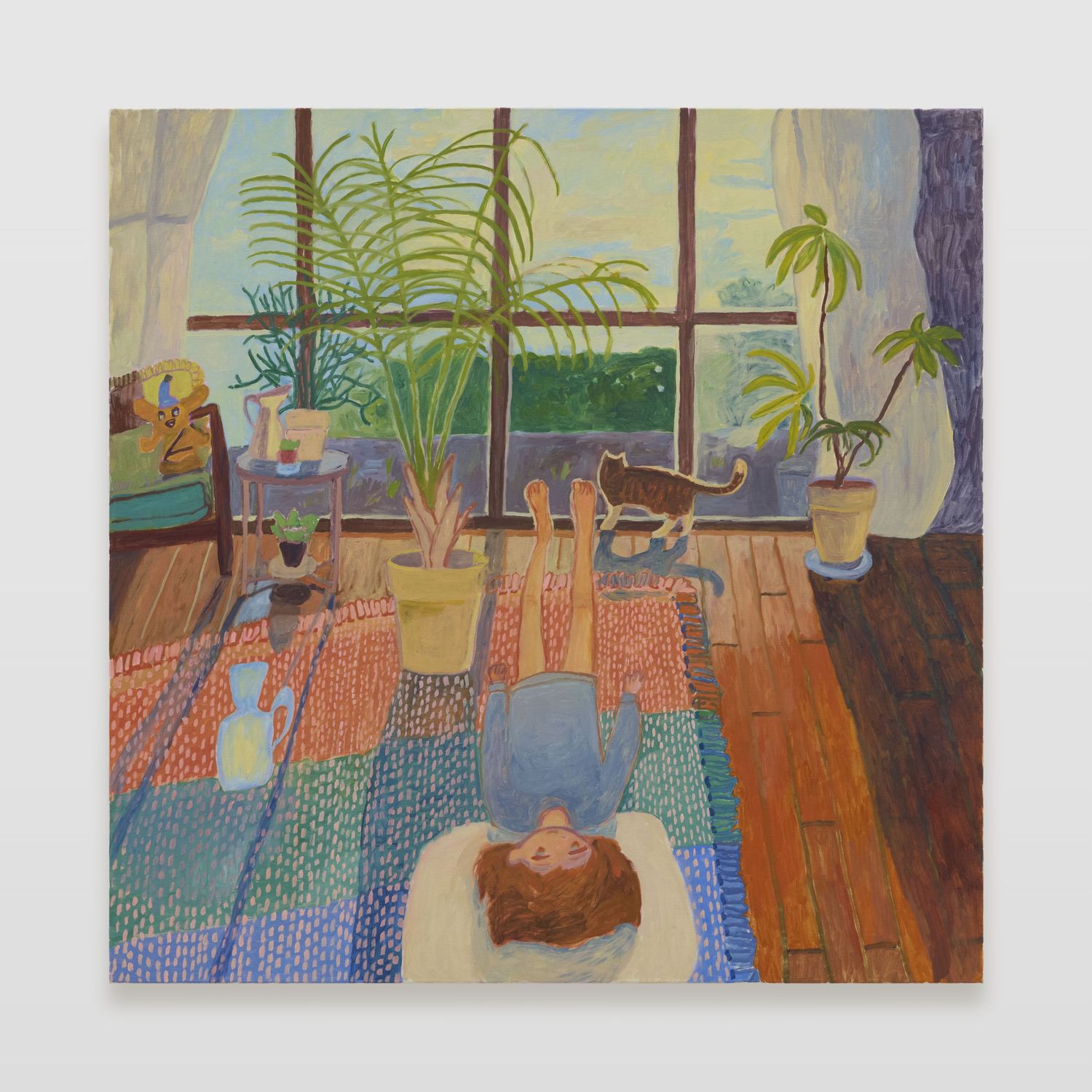
Makiko Kudo, in her first collaboration with the gallery, brings a new painting, Sunlight on the Soles of My Feet. Kudo sets figures, animals, and plants in pastoral landscapes or sunlit interiors, distilling everyday life and childhood memory into vivid, dreamlike vignettes. A solo exhibition at Perrotin Los Angeles follows in June 2026.
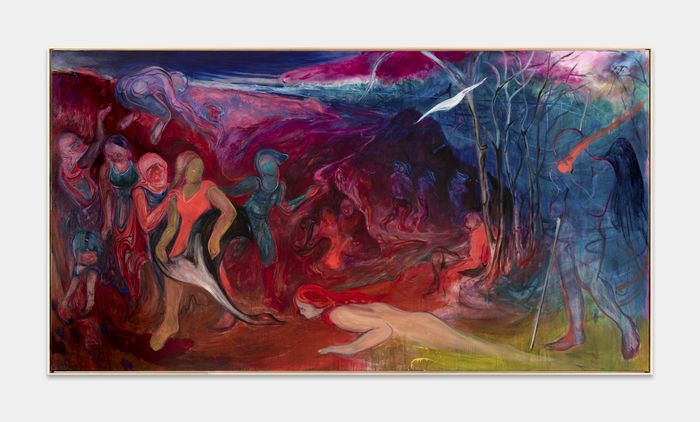
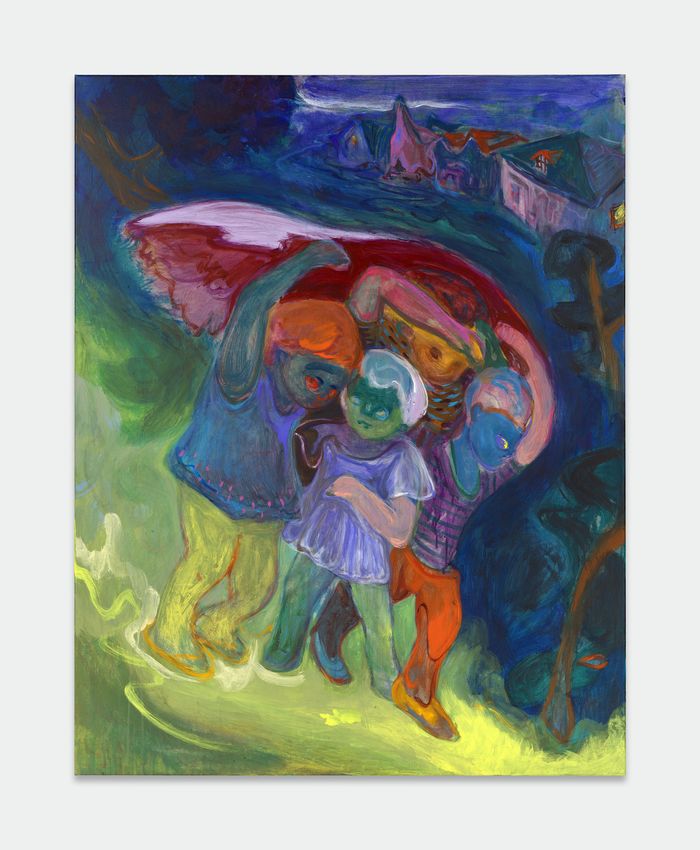
Rao Fu presents two new paintings. Beijing-born and Dresden-trained, Fu draws on Chinese landscape tradition and calligraphy as much as Saxon Neo-Expressionism, fusing spectral figures and saturated color into charged, dreamlike tableaux. Fu's solo exhibition at the Red Brick Art Museum in Beijing opens on March 20 and runs through June 21.
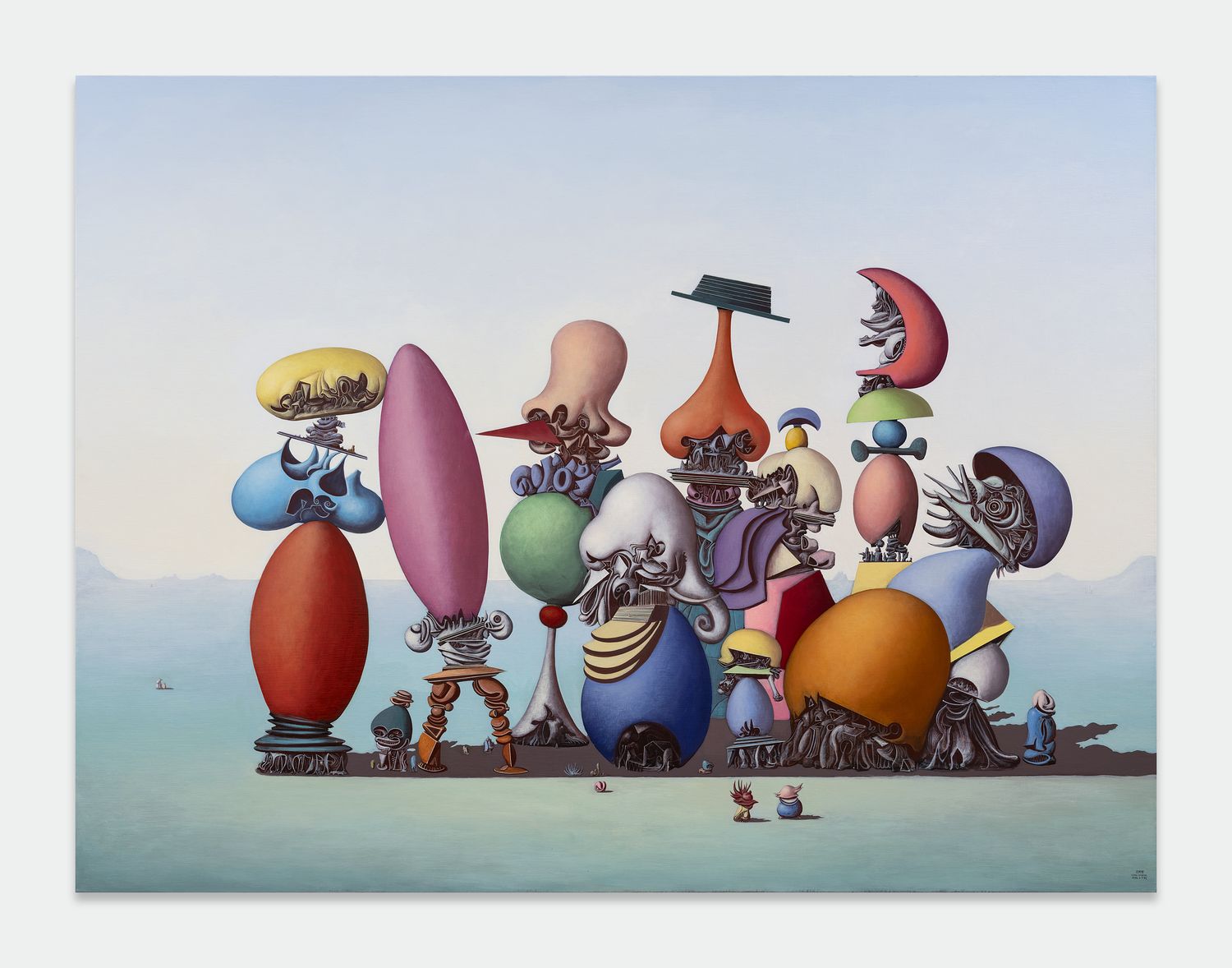
Wang Fanseng presents Dance of Ganesha, concurrent with his first solo exhibition with the gallery, New World, at Perrotin Shanghai, on view through May 23, 2026. Spanning over a decade of practice, Wang's paintings embed unclassifiable forms that hover between landscape, organism, and mineral within the traditions of Chinese shanshui (landscape) and zhiguai (tales of the strange), building self-contained worlds where color, proportion, and spatial interval replace narrative and symbolism as conditions of existence.
The presentation also features selected works by Kelly Beeman, Genesis Belanger, Jason Boyd Kinsella, Lynn Chadwick, Chang Ya Chin, Julian Charrière, Chen Fei, Kwang Young Chun, Jean-Philippe Delhomme, Mathilde Denize, Bernard Frize, Sky Glabush, Nick Goss, Laurent Grasso, Thilo Heinzmann, Gregor Hildebrandt, JR, Susumu Kamijo, Izumi Kato, Hun Kyu Kim, Koak, Klara Kristalova, Nikki Maloof, Georges Mathieu, Shintaro Miyake, Ryan Mrozowski, Tomoko Nagai, Jean-Michel Othoniel, Qi Zhuo, Mark Ryden, Sigrid Sandström, Marty Schnapf, Shim Moon-Seup, Josh Sperling, Maria Taniguchi, Aryo Toh Djojo, Pieter Vermeersch, and Xie Qi.
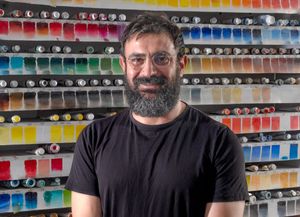
Perrotin is pleased to announce its representation of Germany-based artist Mehdi Ghadyanloo (b. 1981, Karaj, Iran) in Asia. Ghadyanloo will present new works at Perrotin's booth at Art Basel Hong Kong 2026.
Depicting brightly colored playground slides, toys, and ladders housed within illuminated box-like chambers, Ghadyanloo's paintings in oil and acrylic on canvas are composed with meticulous attention to geometry, color, and chiaroscuro. Perspectival illusions create the effect of three-dimensional spaces lit from above by circular skylights. These playground structures, which have become the artist's signature motif, function as monuments to psychological states as much as physical constructions. Devoid of figures, the enigmatic spaces evoke childhood nostalgia while channeling existential themes. Echoing the paradoxical spaces of Giorgio de Chirico and the quiet intensity of Giorgio Morandi, Ghadyanloo also draws on the traditions of Iranian painting, architecture, and poetry, using precise geometry and illumination to shift everyday forms into spaces that feel at once familiar and unresolved.
Ghadyanloo trained in Persian miniature painting before studying painting at the University of Tehran. Beginning in 2004, he created more than one hundred murals across Tehran, transforming the urban environment through painting. In 2016, with the completion of Spaces of Hope at the Rose Kennedy Greenway in Boston, he became the first artist since 1979 to receive official commissions in both Iran and the United States. Other major public commissions include The Fraud and the Hope (2018) for OK Center for Contemporary Art, Linz, Austria, and Finding Hope (2019) for the World Economic Forum, Davos, Switzerland. His works are held in the collections of the Long Museum, Shanghai; the Mint Museum, Charlotte; the Kistefos Museum, Jevnaker; the National Art Museum of China, Beijing; the Centre of International Contemporary Art, Vancouver; and the W Art Foundation, Hong Kong, among others.
In addition to working with Perrotin, Ghadyanloo is also represented by Almine Rech.
STEPH HUANG
Grafting, 2026
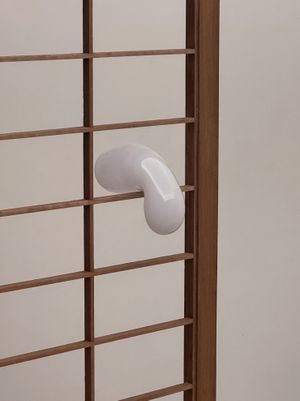
Perrotin is pleased to return to Art Basel Hong Kong 2026 with Steph Huang's immersive installation Grafting, presented in the Encounters sector.
Grafting is a speculative archaeology of familial memory and cultural hybridity. It begins not with a historical fact but a sensory narrative: the fictional recollection of Susan, who embodies a generation’s experience of growing up within a uniquely Taiwanese cultural landscape. Her memories—of nights shared on tatami, the specific scent of aged timber in a grand wooden house, and the boundless narratives conjured during make-believe after school—serve as the emotional and conceptual bedrock of the work.
The project is constructed as an immersive environment, a “room” assembled from artifacts gathered during recent expeditions into both physical and mnemonic territories. The primary architectural gesture is the use of numerous shoji screens, which function as more than mere dividers; they are metaphors for the permeable nature of cultural boundaries. By arranging these screens to extend and blur the line between the indoor and the outdoor space, Huang mirrors the widespread adoption and adaptation of the washitsu in Taiwan three decades ago, which was not a pure importation but a translation—a cultural practice filtered through a local lens and need.
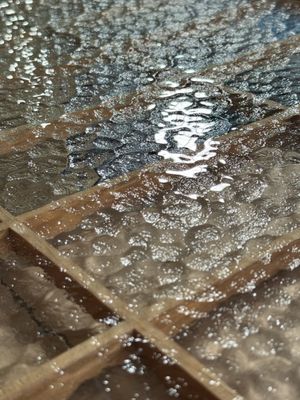
This process of translation is the core of the artist’s inquiry. Cultural adaptation is not a failure of authenticity but a dynamic, creative act of survival. It can be seen in the sweet and sour chicken of Western Chinese takeout, a dish invented for a foreign palate, or in Japan’s Spaghetti Neapolitan, where ketchup becomes a pragmatic, beloved substitute for a distant Italian sauce. Similarly, the Taiwanese washitsu frequently employs a readily cleanable, humidity-resistant hardwood floor in lieu of tatami, acrylic panels in place of delicate paper for the shoji screens—a practical modification born from a cultural imperative. These are ingenious solutions, evidence of a culture’s ability to metabolize the foreign into the familiar. Within the space defined by the shoji, Huang carefully reassembles a constellation of elements to showcase Taiwanese “grafting,” this innate skill of adaptive reassembly.
Handmade mango plants stand as potent symbols. The mango is itself a fruit of colonial history, yet its taste has been thoroughly domesticated into the very fabric of Taiwanese childhood. It represents the complex evolution of colonization—the way external forces are tested, tasted, and ultimately woven into the local identity.
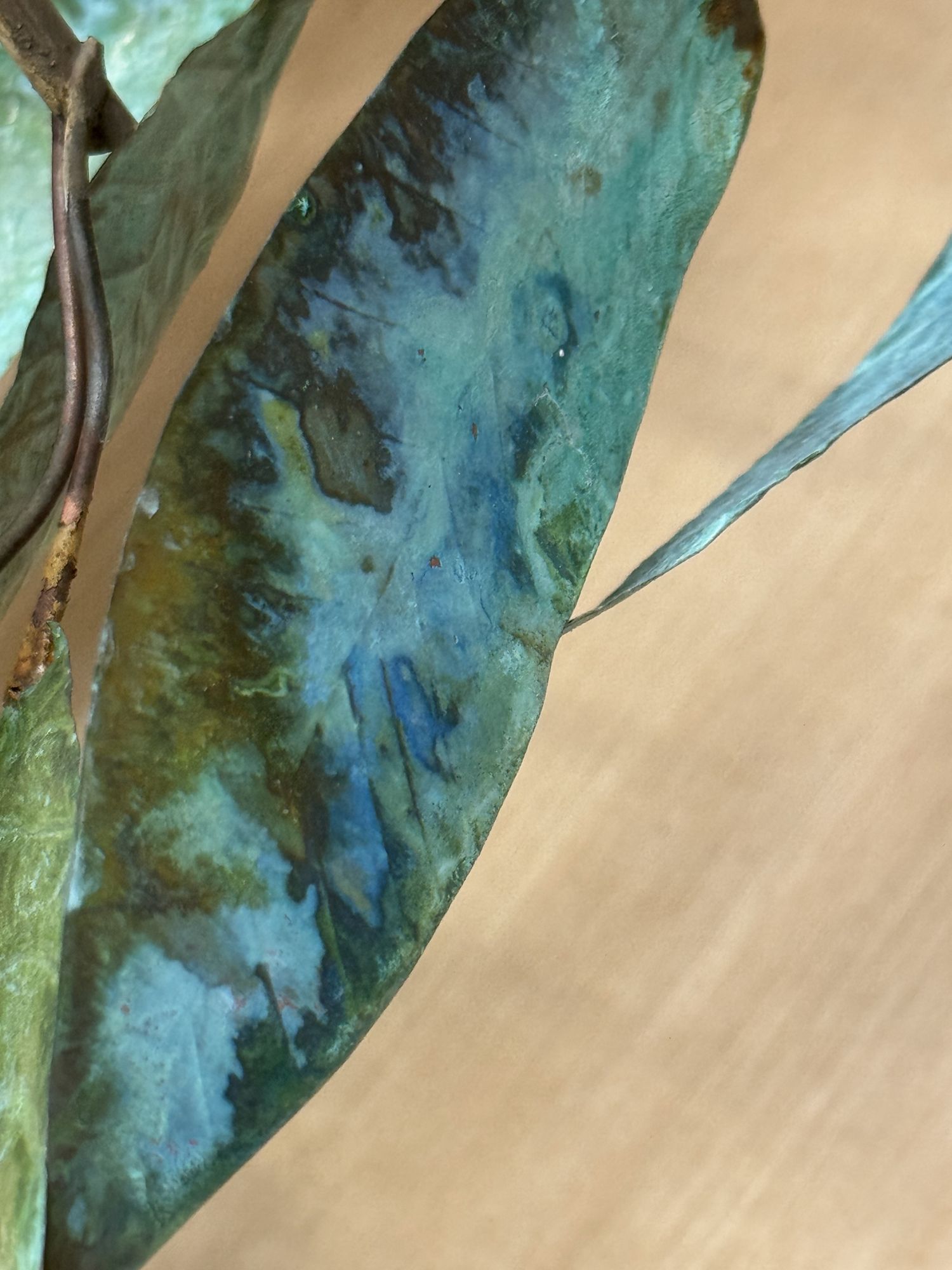
This dialogue is further materialized through the juxtaposition of tatami sheets with concrete roof tiles. With its specific texture and smell, the tatami evokes one layer of influence and memory, while the concrete tiles—ubiquitous in Taiwanese vernacular architecture—embody a distinct, localized structural logic. Placed together, they create a visual and tactile friction, constructing a "room" imbued with a sense of alienation. It is the uncanny feeling of recognizing a space that is simultaneously familiar and strange—a memory that does not perfectly align with its source material.
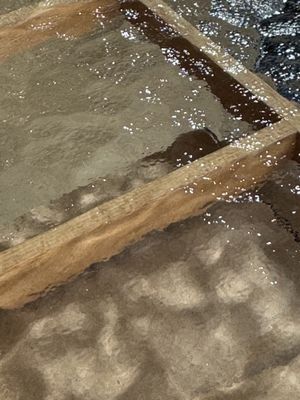
The work is not merely a nostalgic recreation but a critical exploration of how cultural forms are transplanted, adapted, and reassembled. To bridge the gap between these disparate elements, between reality and the illusion of memory, the artist incorporates metal rods from which delicate glass bubbles hang, whose translucent spheres reflect and distort their surroundings. They are the carriers of breath and memory, moving freely through the architectural and cultural barriers imposed by the shoji and the material contrasts below.
Together, the installation interweaves the tangible with the elusive, connecting the hard edges of concrete and wood with the soft, organic forms of the mango plants. In their uncanny beauty, they invite the viewer to navigate this hybrid space not as a site of conflict, but as one of continuous, bubbling creation—a testament to the enduring, adaptive spirit that constructs home from the fragments of history.


